Skip to content
Solutions

Solutions

Engineered systems for the most demanding oil-purification, water-treatment and fluid-conditioning challenges across heavy industry.

Steel Plants

Power Generation

Petrochemical

Marine & Offshore

Cement & Mining

Pulp & Paper

Rail & Transit

Application scope

From petrochemical to military and aerospace, 24 industries in all. Each contaminates oil differently.

01 Steel 02 Power generation 03 Petrochemical 04 Shipbuilding 05 Cement 06 Pulp & paper 07 Rail & transit
08 Lithium battery
09 Lithium film
10 Tires and rubber
11 Industrial oily wastewater
12 Waste oil recycling
13 Water treatment
14 Bulk material separation
15 Coal chemical
16 Mining
17 Metal processing
18 Bearing machining
19 Lubricant production
20 Automotive
21 Textiles and printing
22 Pharmaceutical
23 Food processing
24 Military and aerospace
Power generation: a seal that keeps leaking

Power generation: a seal that keeps leaking

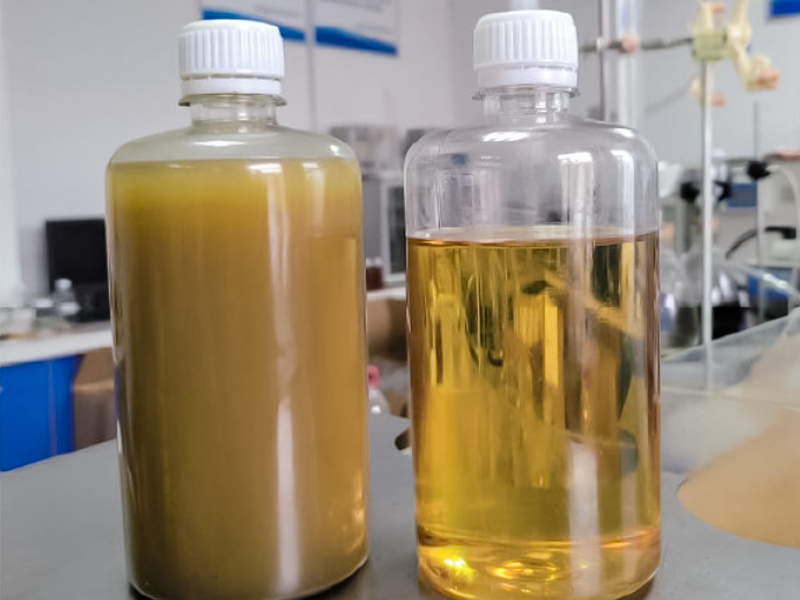
A power plant ran No.46 turbine oil with a damaged shaft seal taking in water at 20 kg per day. The oil was heavily emulsified and the unit was at risk. It was handled online — the nano-screening equipment running alongside the system rather than taking it down — and the water content in the outlet oil was held stable throughout.

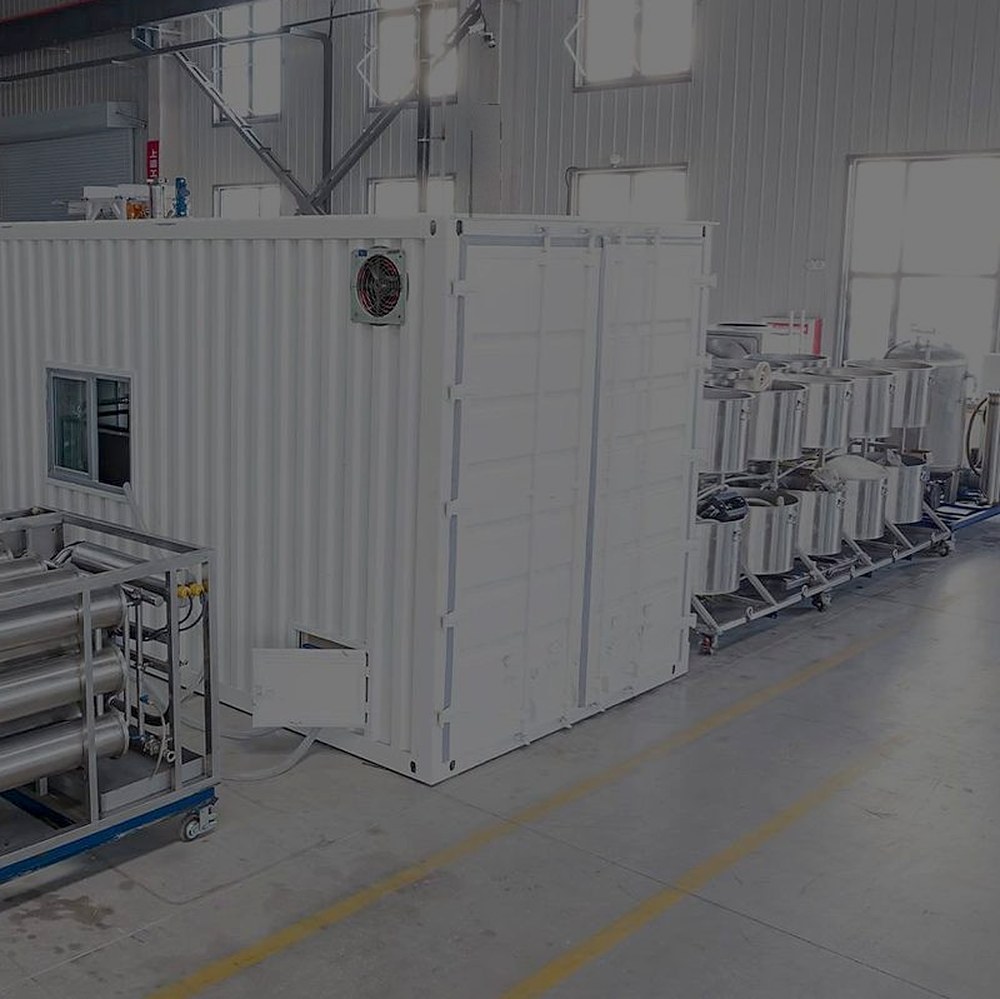
A shaft seal that admits 20 kg of water a day is a mechanical defect; the oil is only where the water ends up. The set cannot be stopped while the seal is repaired, so the equipment sits beside the running system and holds the oil between services rather than restoring it once.

Ask about online treatment

Oil-film bearing oil: 2.2 tonnes in one day

Oil-film bearing oil: 2.2 tonnes in one day

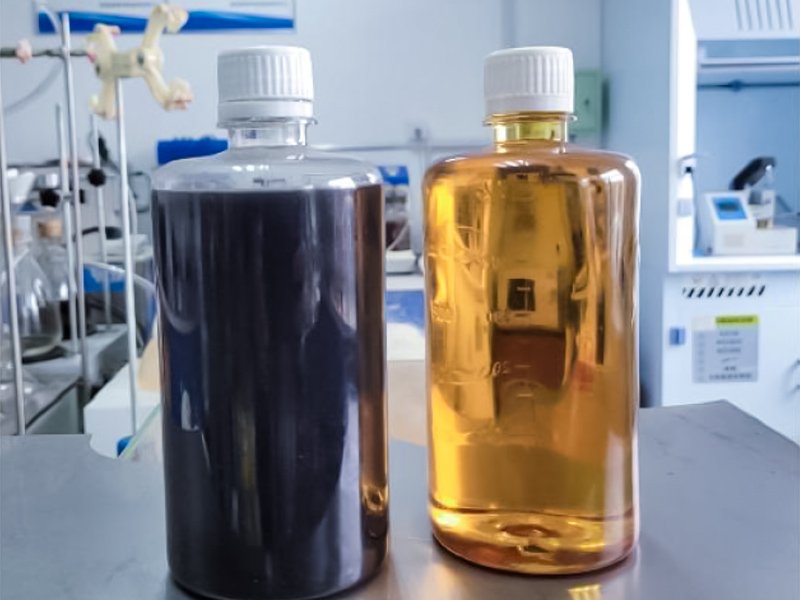
A steel plant in the southwest had Mobil 525 oil-film bearing oil take in a large quantity of water. On the nano-screening purification equipment, 2.2 tonnes of water was separated out within a single day. At that rate the oil cannot simply be replaced; the water has to be taken out of it.

How viscosity picks the model. Viscosity is the one criterion that maps directly onto model codes: 220 cSt industrial gear oil and oil-film bearing oil go to the FM-100/150DP-B, the same oils above 320# to the FM-100/150DP-C, and the economy FM-60DP-B is sized for an oil station of 5 m³.

Discuss viscosity and volume

What decides the model

Online or offline operation, fluid type, hazardous-area classification, and whether the oil is running or being recovered. These narrow the range before throughput does.

  1. 01 Online or offline operation Online or offline, custom configurations supported. A machine that only works on drained, stationary oil will not help a turbine set with a leaking shaft seal taking in 20 kg of water a day.
  2. 02 Fire-resistant fluid Fire-resistant fluid is a series of its own: the unit removes acidic substances to prevent corrosion of the anti-fuel system. Phosphate-ester and fatty-acid-ester fluids both appear in the case records.
  3. 03 Hazardous-area classification The centrifugal series carries a dedicated explosion-proof line as a separate model name. Choosing between the explosion-proof and the flame-resistant line is settled against the actual installation.
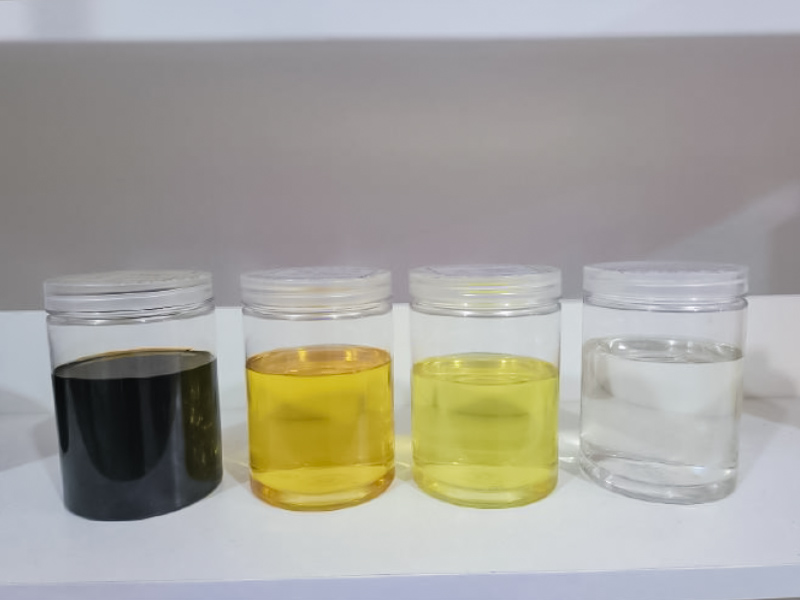
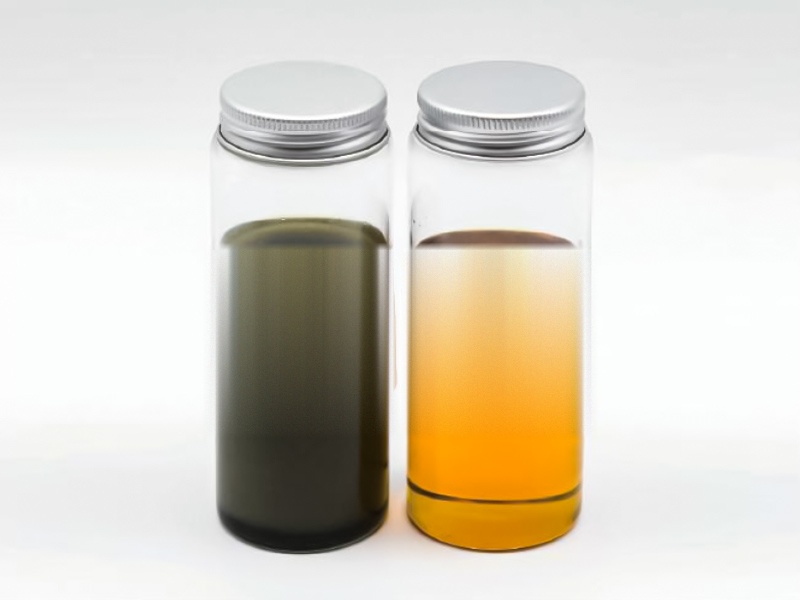
  4. 04 Running oil or recovered oil Two different products. Keeping running oil clean is a filtration job. Getting discoloured or contaminated oil back into service is a decolourising job, handled by the nano-screening decolourising purification system.

Before you specify

Can the unit run while the system is in service?
Yes, for the vacuum, nano-screening and mobile units. Online operation is how the turbine case above was handled: a leaking shaft seal admitting 20 kg of water a day, with the set kept on load. Where the system can be drained, an offline configuration is built instead.
What do you need from us to size a unit?
Oil type and kinematic viscosity; current cleanliness in ISO 4406 or NAS and the water content in ppm; whether the system can be taken offline; and the target you need to reach. Throughput follows from the oil volume and the rate at which contamination comes in.
How is the equipment bought?
Rental, outright sale, on-site service and agency partnership. Rental suits a one-off flush or a leak that will be repaired at the next shutdown; on-site service covers the first survey and commissioning.
Is there an explosion-proof version?
The centrifugal series carries a dedicated explosion-proof line as a separate model name. Whether the installation needs explosion-proof or flame-resistant is settled against the hazardous-area classification, not against the oil.
What is different about fire-resistant fluid?
It is a separate series because the fluid attacks the system itself: the unit removes acidic substances as well as water and particulate, which is what protects the anti-fuel circuit from corrosion. Phosphate-ester and fatty-acid-ester fluids are both handled.
Which model fits a given viscosity?
Viscosity is the criterion that maps onto model codes: 220 cSt industrial gear oil and oil-film bearing oil go to the FM-100/150DP-B; the same oils above 320# to the FM-100/150DP-C; the economy FM-60DP-B is sized for an oil station of 5 m3.
NAS 7 Cleanliness of previously emulsified hydraulic oil after one pass
NAS 6 Measured figure at a crankshaft maker hydraulic station after treatment
NAS 3 Cleanliness of vacuum pump oil at an appliance plant after treatment
39 ppm Water content of that same vacuum pump oil after treatment
800 ppm Water held long term in fatty-acid-ester fire-resistant fluid
26 Varnish film index of captive-power-station fire-resistant fluid after treatment, down from 66.7
2.2 t Water separated from oil-film bearing oil in a single day

What we need to size a unit

Oil name, kinematic viscosity, current cleanliness and water content, whether the system can be taken offline, and the target. With those we can name the route - vacuum, membrane, centrifugal or electrostatic - or say that no unit is needed.