
Products
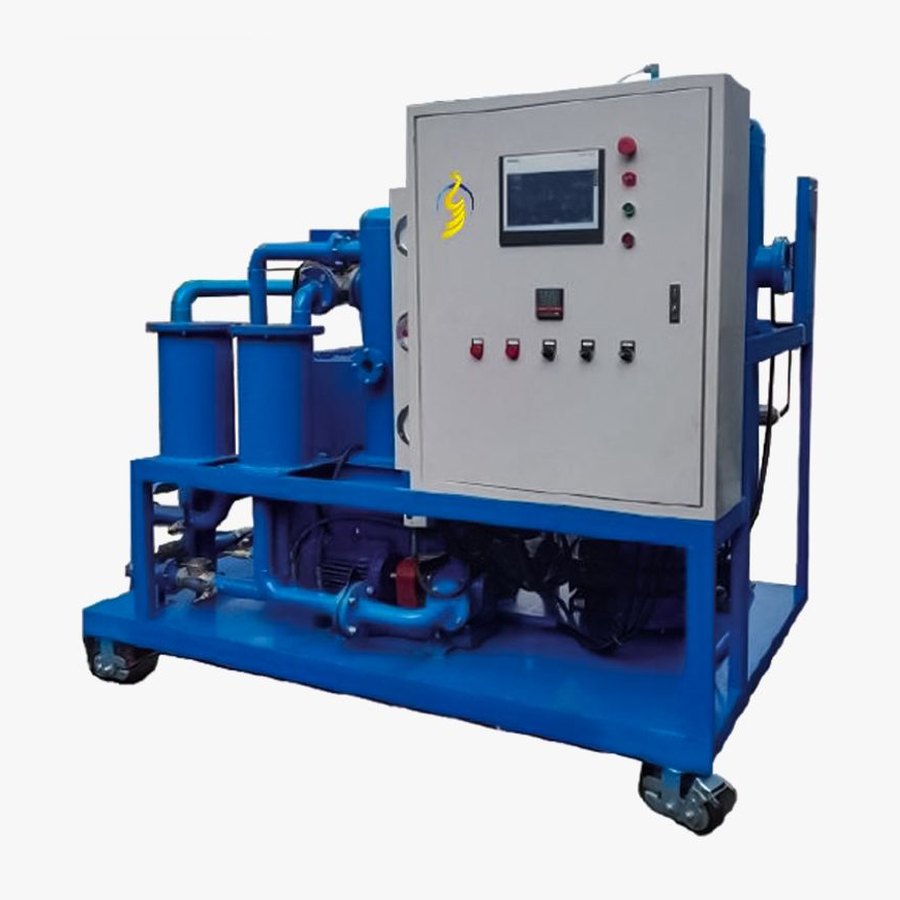
EHC Fire-Resistant Oil Ultra-Clean Purification Unit
For phosphate ester (EHC) hydraulic fluids in steam turbine control systems
For phosphate-ester EHC fluid in turbine governing systems.
- Removes the acid that hydrolysed ester produces
- Dehydration held low enough not to accelerate hydrolysis
- Every wetted part selected for ester compatibility, stated on the drawing
- Emailgary@fengmingep.com
- Phone+86-17306307795
Technical specifications
| Fluid chemistry | Phosphate-ester EHC fluid |
|---|---|
| What it removes | Water, dissolved gas, particulate, acid and varnish precursors |
| Separation principle | Low-temperature vacuum dehydration with an adsorbent stage |
| Filter and separation media | Fuller's earth or equivalent adsorbent, plus fine filter |
| Wetted materials | Ester-compatible seals, hoses and filter media throughout |
What it removes
Phosphate-ester EHC fluid is not mineral oil, and it fails differently. This unit removes water, dissolved gas, particulate and -- the part that matters most -- the acid and the varnish precursors that phosphate esters generate as they age. Water in EHC fluid hydrolyses the ester, and the hydrolysis products are acidic; left alone, the acid attacks the servo valves in the governing system and the fluid stops meeting its own specification long before it stops looking like fluid.
How it works
The unit treats phosphate ester on the same vacuum principle as a mineral-oil purifier, but every wetted part is selected for ester compatibility: seals, hoses and filter media that are correct for mineral oil are not correct here, and a unit built for mineral oil will contaminate an EHC charge rather than clean it. Dehydration runs at a temperature low enough not to accelerate hydrolysis. Fuller's earth or an equivalent adsorbent stage removes the acidic breakdown products and the dissolved varnish precursors that filtration cannot reach.
Where it is used
Steam turbine governing systems, and only those. A captive power station whose phosphate-ester fluid was laying down varnish on the servo valves is the reference installation. The same fluid is used in gas turbine fuel control on some frames and in a small number of steel-plant hydraulic systems near furnace areas, where the fire resistance is the reason for the fluid in the first place.
Options and service
Ester-compatible seals and hoses throughout, stated on the drawing. On-line connection to the governing-system reservoir. Adsorbent change-out is a scheduled item; the interval is set from the acid number trend, which is why the unit is normally supplied with sampling points rather than a fixed service interval.
Common questions
Can a mineral-oil purifier treat phosphate ester?
No. Seals, hoses and filter media that are correct for mineral oil are not correct for ester, and a mineral-oil unit will contaminate the charge rather than clean it.
Why does acid removal matter more than particulate here?
Water in EHC fluid hydrolyses the ester and the products are acidic. The acid attacks the servo valves, and the fluid fails its own specification long before it looks wrong.
How is the adsorbent changed?
On a schedule set from the acid-number trend, which is why the unit is supplied with sampling points rather than a fixed service interval.
Tell us about your application
Oil type, viscosity, flow rate, target cleanliness, water content, on-site power and space constraints. The more specific you are, the sharper the proposal.
Hours: Monday - Friday: 09:00 - 18:00 (UTC+8) Saturday & Sunday: Closed Public holidays: Closed
Related products
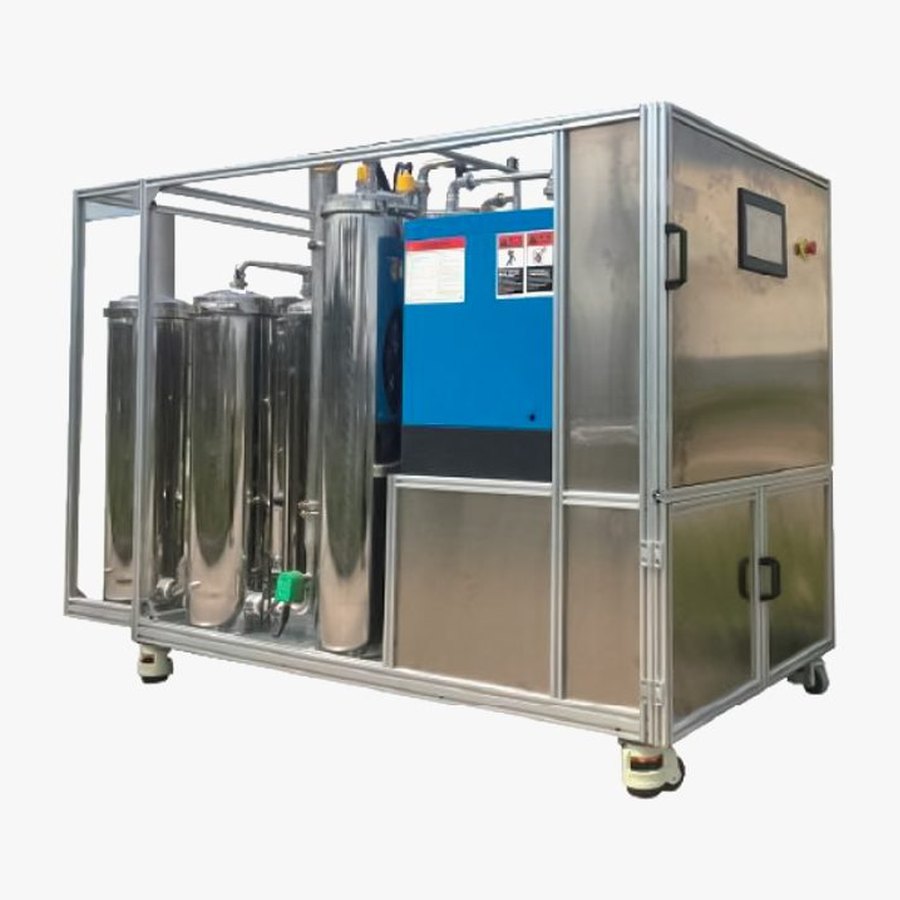 Standard Vacuum Oil Purifier (VOP Series)
Removes particulate, water and dissolved gas. NAS 6, water down to 50 ppm.
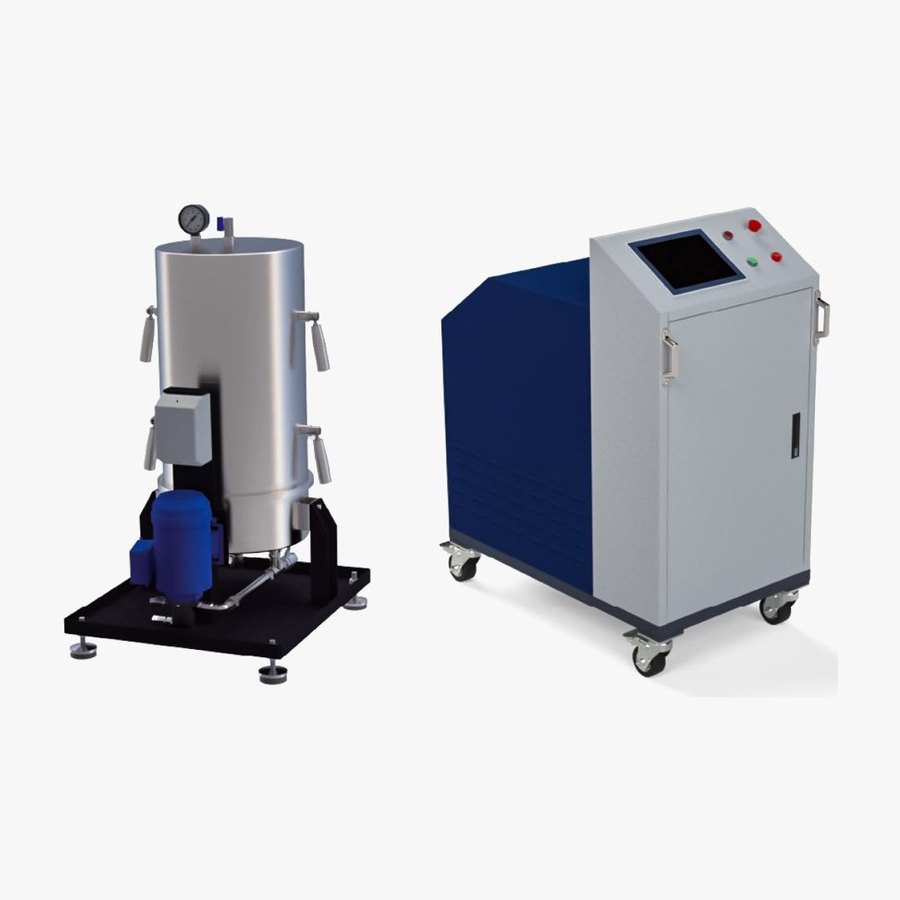 Vacuum Nano-Screening Integrated Machine (VOP-N Series)
Nano-screening membrane combined with vacuum dehydration, reaching NAS 2. The flagship model in the range.
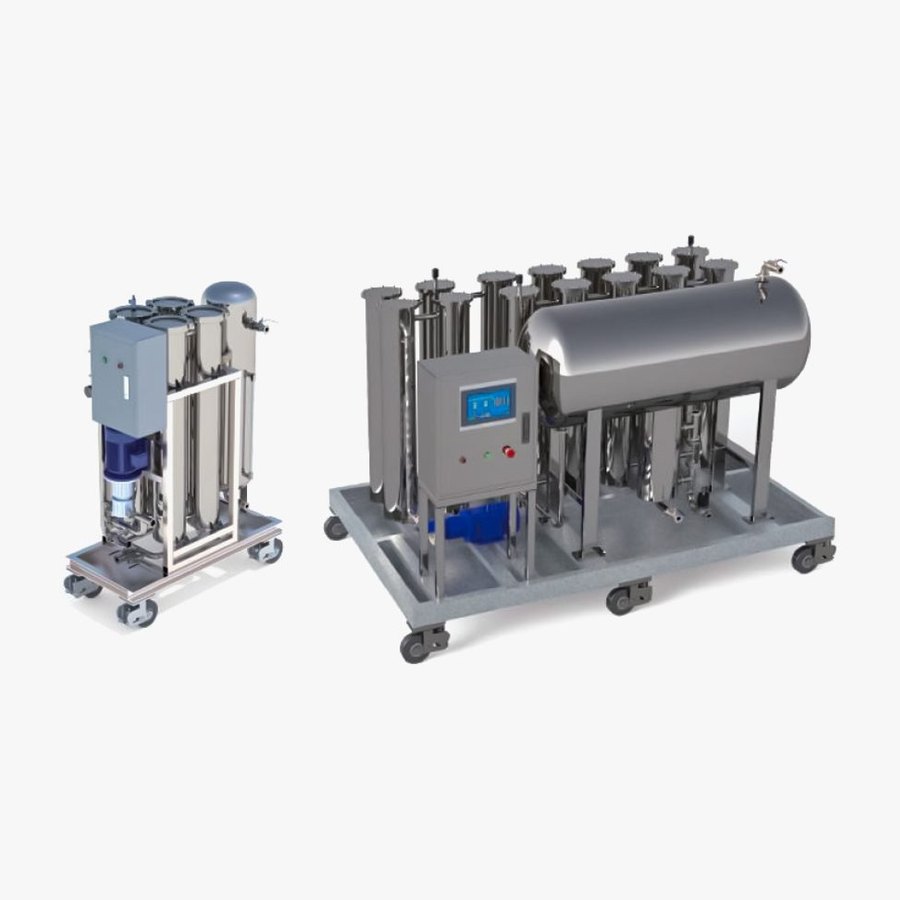 Polymer Dehydration Unit
Light fuels and low-viscosity oils, water below 30 ppm.
 Automatic Centrifugal Slag Remover
Self-cleaning centrifugal separation. No filter media to replace.
