
Products
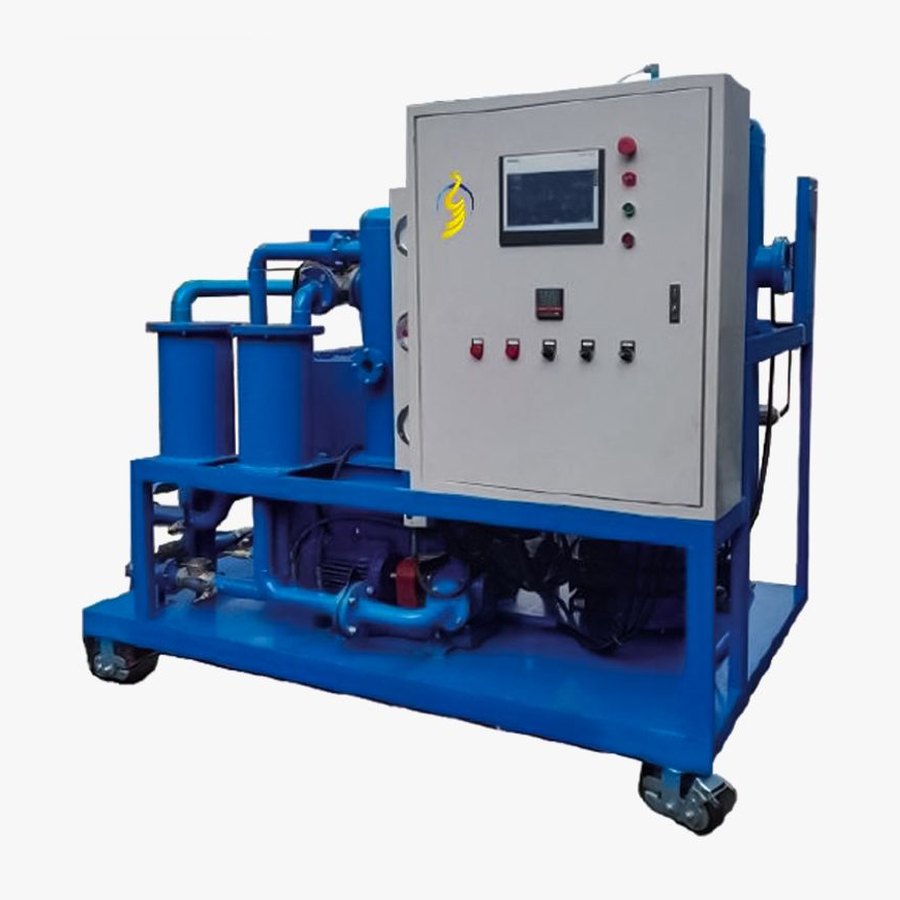
FM-60/100 Fire-Resistant Series
For fatty-acid-ester and water-glycol fire-resistant hydraulic fluids
Two models - one for fatty-acid-ester HFC fluids, one for water-glycol HFC fluids. Flow rates 60/100/150 L/min. Material compatibility assured.
- Two models, one per HFC chemistry — they are not interchangeable
- 60, 100 and 150 litres per minute
- Materials matched to the fluid and stated on the drawing
- Emailgary@fengmingep.com
- Phone+86-17306307795
Technical specifications
| Fluid chemistry | Fatty-acid ester (HFC) and water-glycol (HFC) — one model each |
|---|---|
| Flow rate | 60 / 100 / 150 litres per minute |
| Wetted materials | Seals, hoses and filter media matched to each chemistry |
| What it removes | Water, gas and particulate from fire-resistant hydraulic fluid |
What it removes
Water, gas and particulate from fire-resistant hydraulic fluids -- fatty-acid-ester (HFC) and water-glycol (HFC) types -- which are chemically nothing like mineral oil and cannot be run through a purifier built for it. Two models cover the two chemistries, at flow rates of 60, 100 and 150 litres per minute.
How it works
The separation principle is the same; the materials are not. A water-glycol fluid is largely water by design, so dehydration has to be controlled far more carefully than on mineral oil -- pull too hard and you remove the water the fluid needs to stay fire resistant. A fatty-acid-ester fluid is the opposite problem: it hydrolyses if water is left in it, and the hydrolysis products attack seals and valves. Matching seals, hoses and control logic to the chemistry is the actual engineering content of this product.
Where it is used
Steel plants, die-casting shops and anywhere a hydraulic system sits near a furnace or a hot surface and the fluid choice was driven by fire risk rather than by performance. A steel plant holding its fatty-acid-ester fluid at 800 ppm is the reference case: the fluid stayed in service because the water could be controlled, not because it was replaced often enough.
Options and service
Chemistry-specific seals and hoses, stated on the drawing and not interchangeable between the two models. Water content monitoring on the outlet, because on a water-glycol fluid the target is a band, not a minimum.
Common questions
Can I use a mineral-oil purifier on HFC fluid?
No. Fatty-acid ester and water-glycol have nothing in common with mineral oil, and a unit built for mineral oil will damage the fluid.
Which model do I need?
The one matched to the chemistry — fatty-acid ester and water-glycol take different seals, hoses and filter media.
What flow rates are available?
60, 100 and 150 litres per minute.
Tell us about your application
Oil type, viscosity, flow rate, target cleanliness, water content, on-site power and space constraints. The more specific you are, the sharper the proposal.
Hours: Monday - Friday: 09:00 - 18:00 (UTC+8) Saturday & Sunday: Closed Public holidays: Closed
Related products
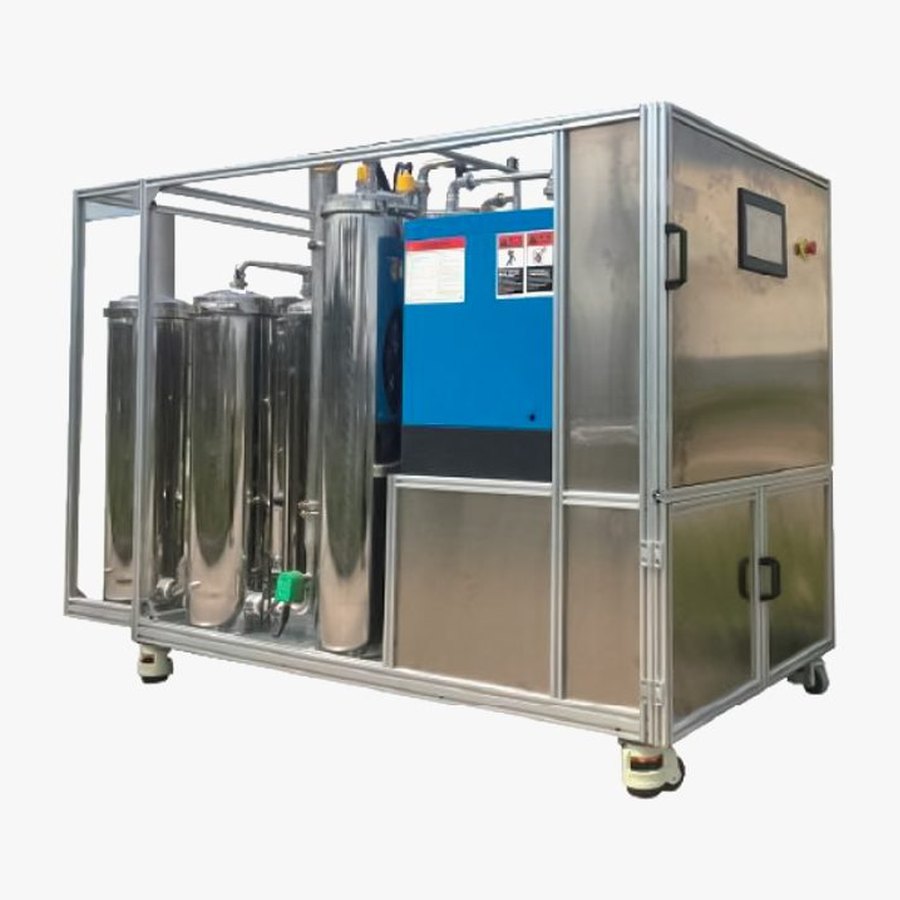 Standard Vacuum Oil Purifier (VOP Series)
Removes particulate, water and dissolved gas. NAS 6, water down to 50 ppm.
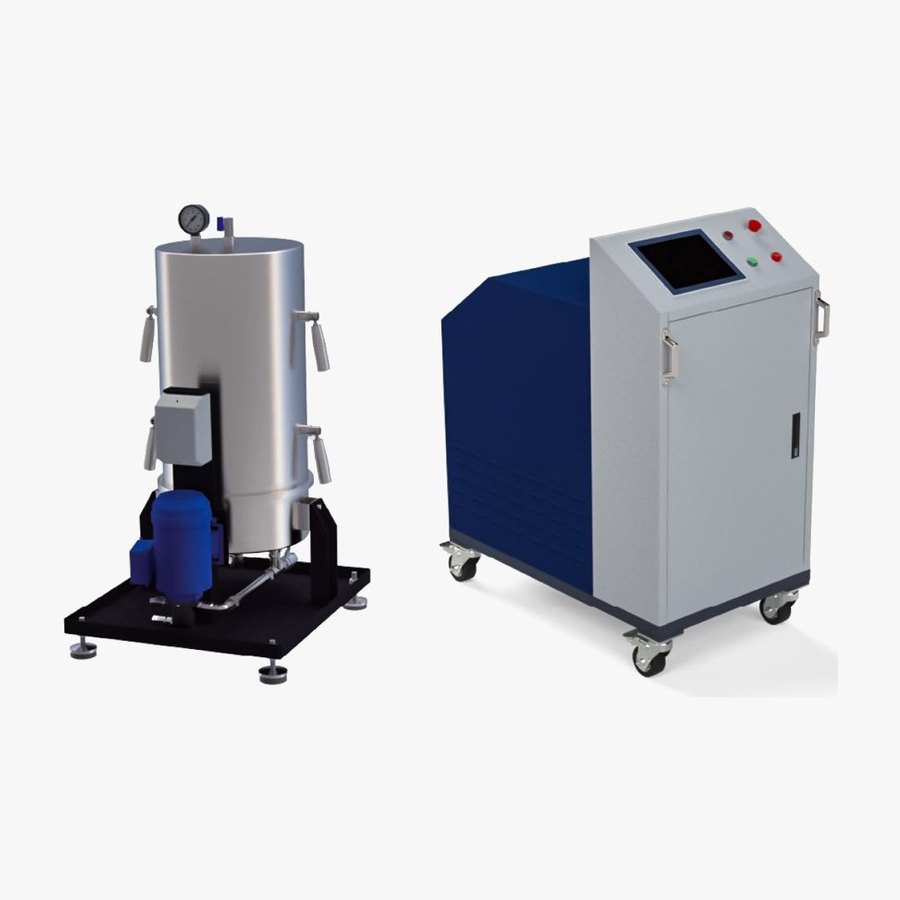 Vacuum Nano-Screening Integrated Machine (VOP-N Series)
Nano-screening membrane combined with vacuum dehydration, reaching NAS 2. The flagship model in the range.
EHC Fire-Resistant Oil Ultra-Clean Purification Unit
For phosphate-ester EHC fluid in turbine governing systems.
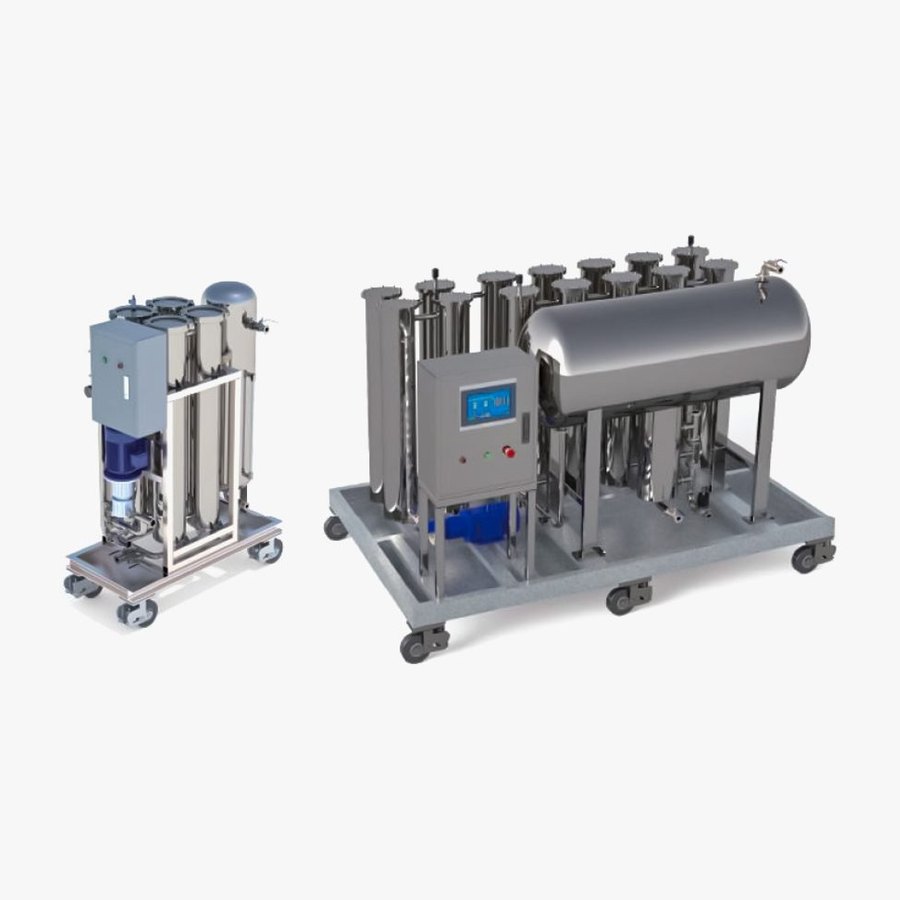 Polymer Dehydration Unit
Light fuels and low-viscosity oils, water below 30 ppm.
