Skip to content
Products

Products

From vacuum oil purifiers to nano-screening, EHC fluid purification and centrifugal composite systems, Goweco delivers full-condition oil purification for every heavy industry application.

Vacuum Purifiers

Nano-Screening

EHC Fluid Systems

Centrifugal Separators

Membrane Filtration

Water Treatment

Equipment range

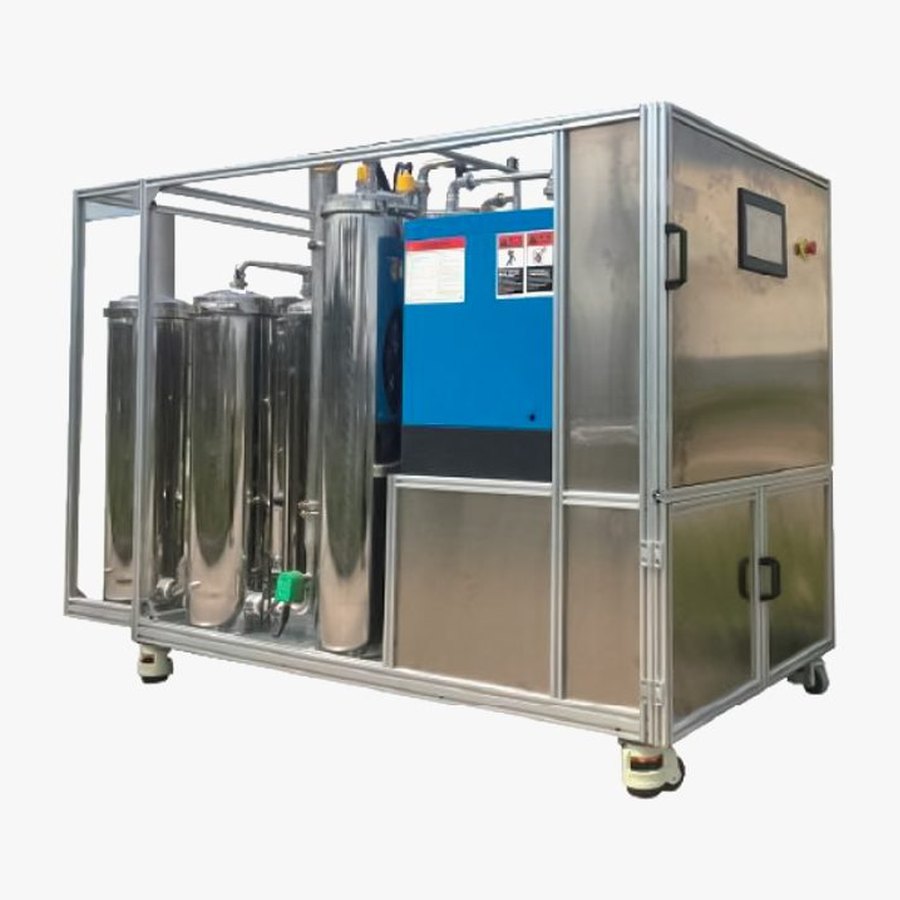
The main line is multi-purpose nano-screening purification equipment, in grades down to 100 nm and 50 nm, with more than thirty machines across seven series. Every unit works on physical filtration and low-pressure drive, so nothing is added to the oil in the process. The automatic slag remover runs without filter consumables.

Each series answers one kind of oil: hydraulic, turbine, lubricating, fire-resistant fluid, light fuel, gear oil or oil-film bearing oil. What happens inside the machine follows the contamination — water, particulate, varnish, settled sludge — and the cleanliness class you have to reach.

Flow rate, filtration rating, power and dimensions are set per application and issued with the proposal.

The seven series

Each series is built around one kind of oil problem.

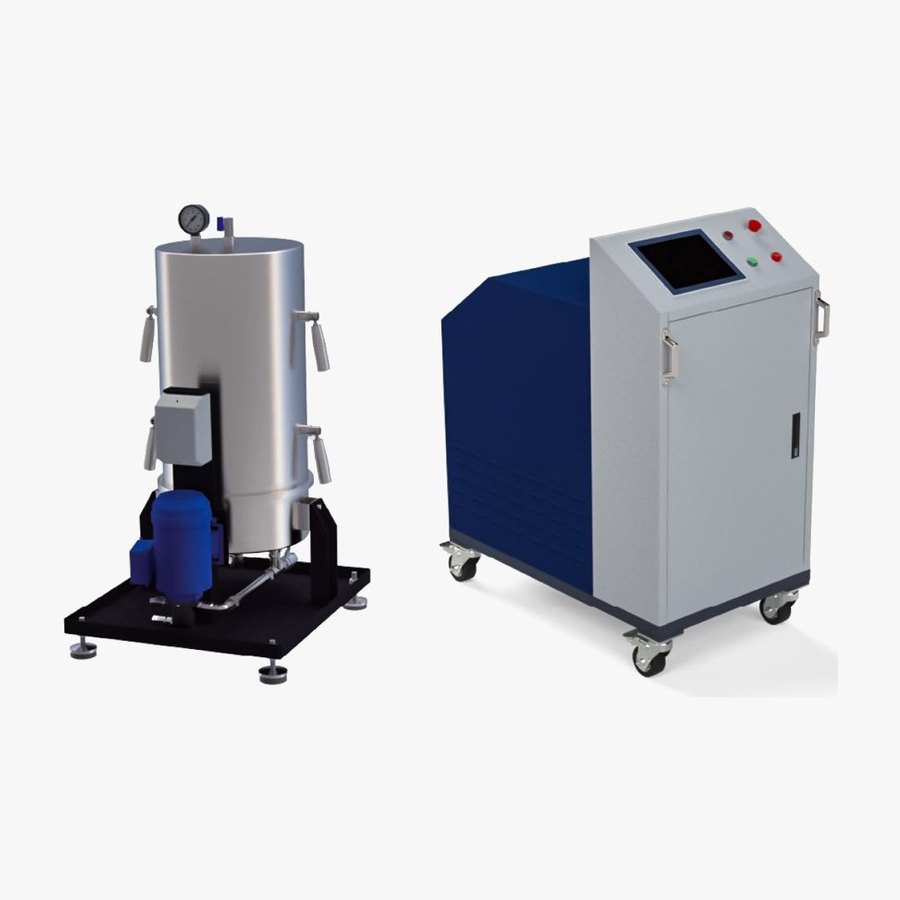
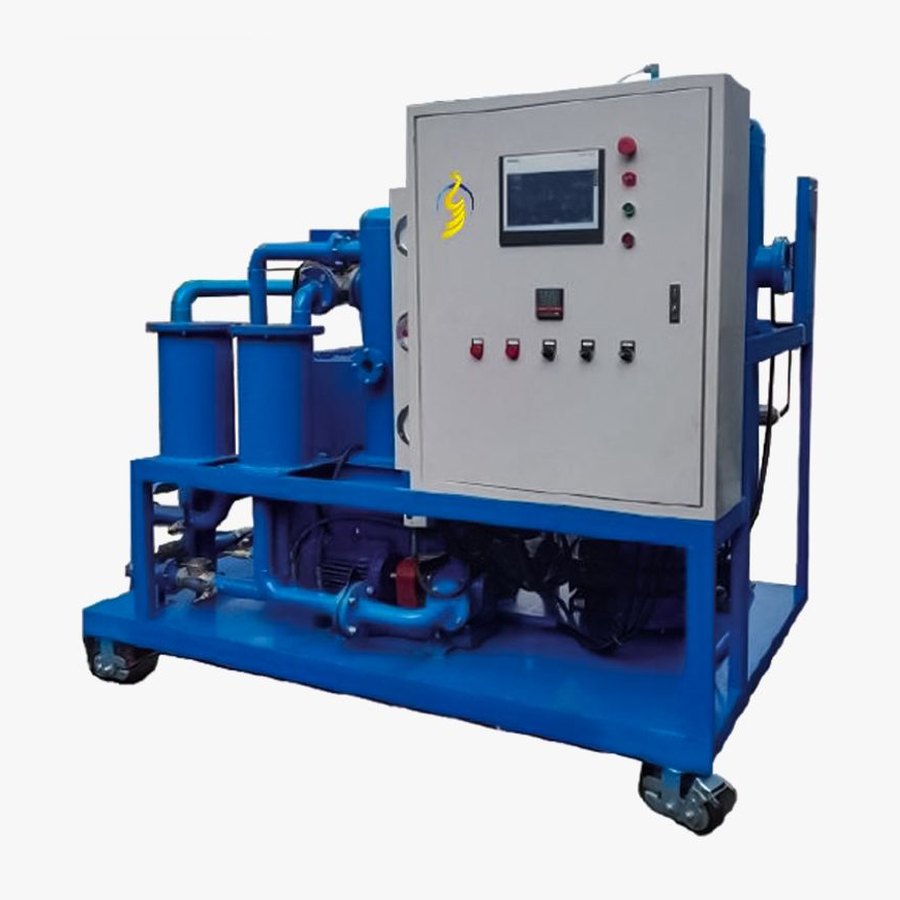
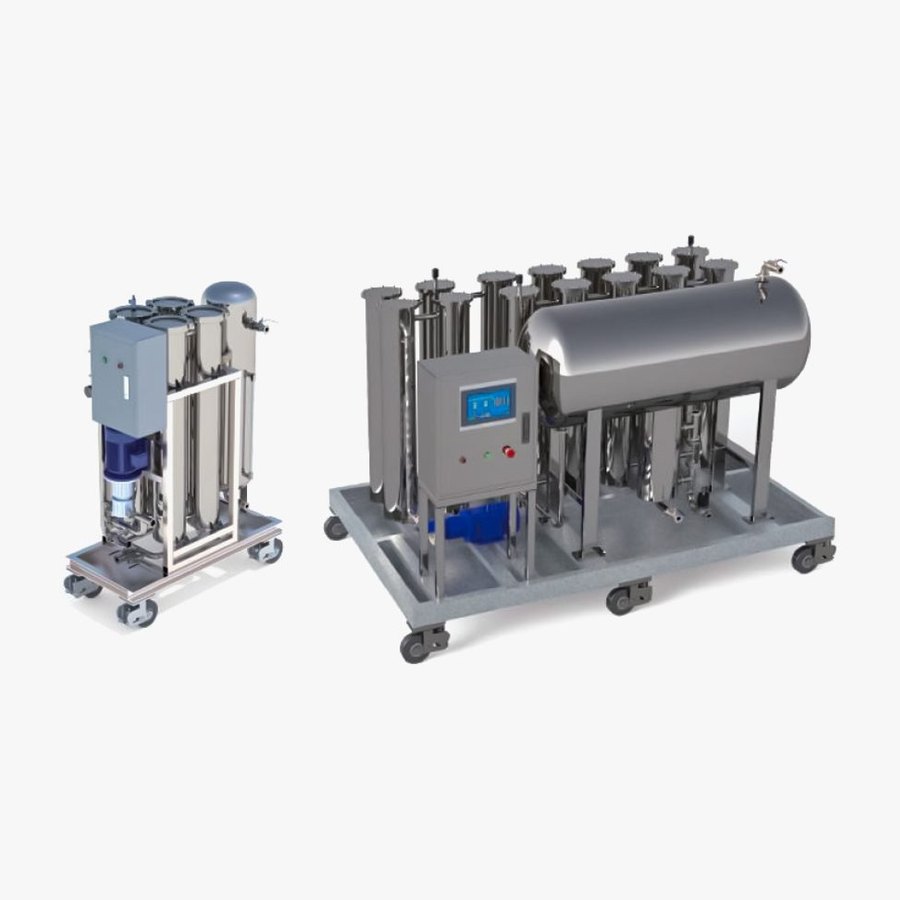
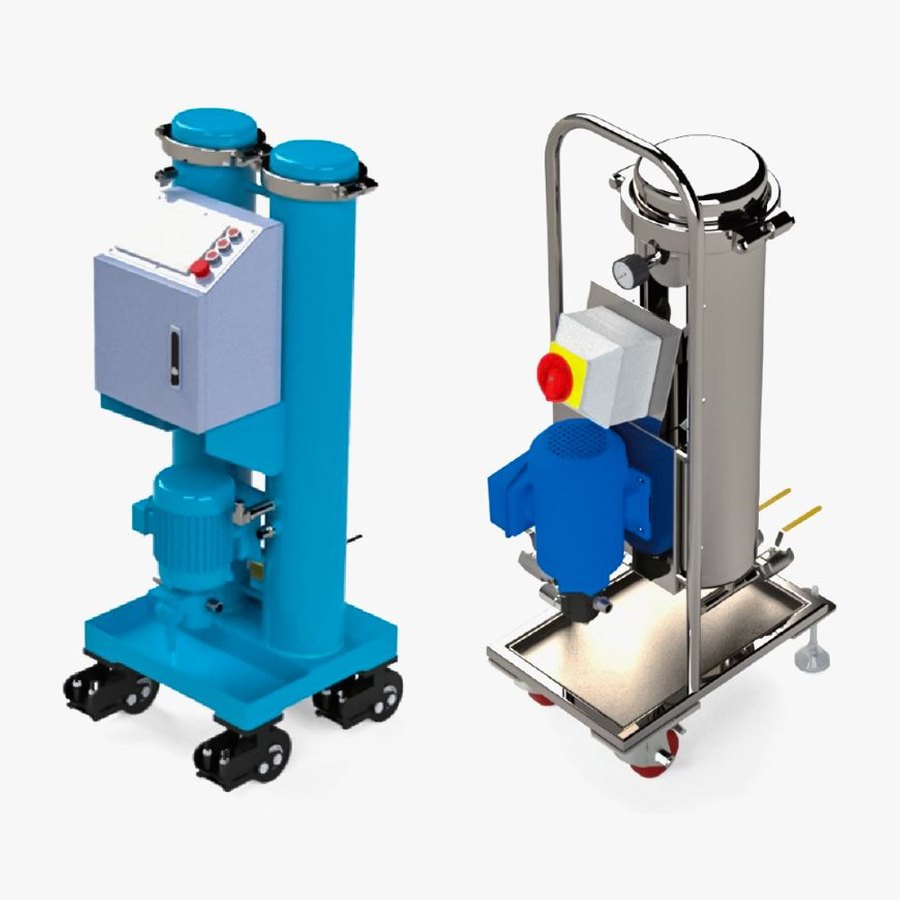
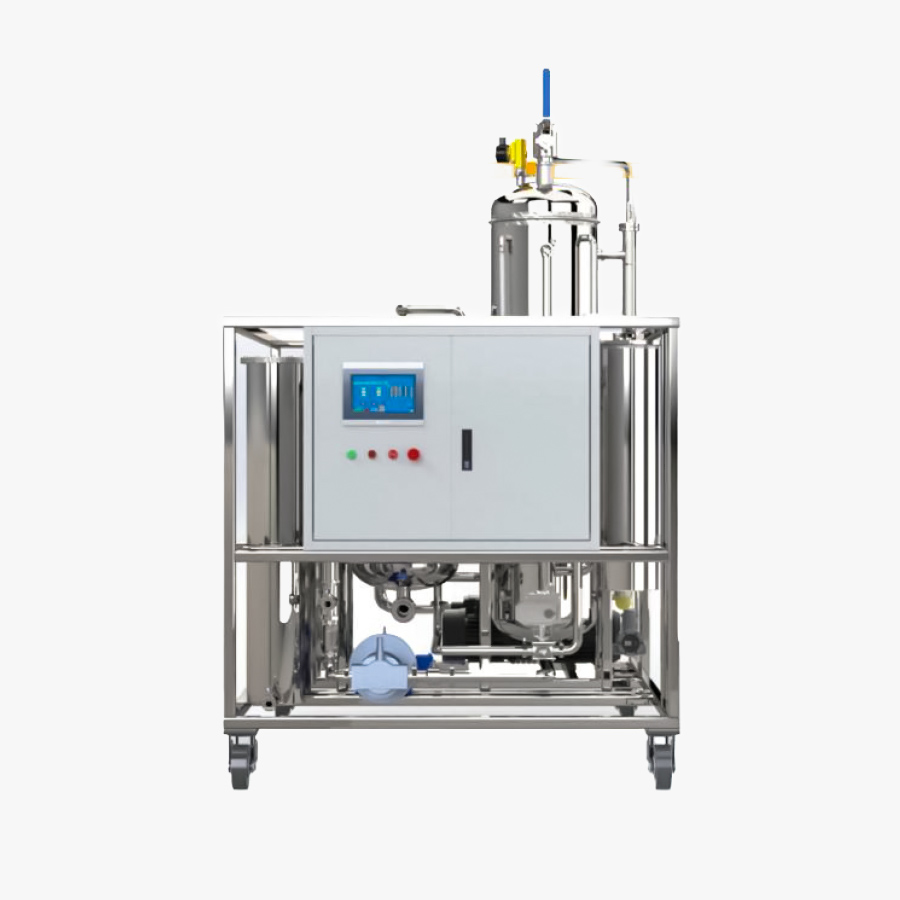
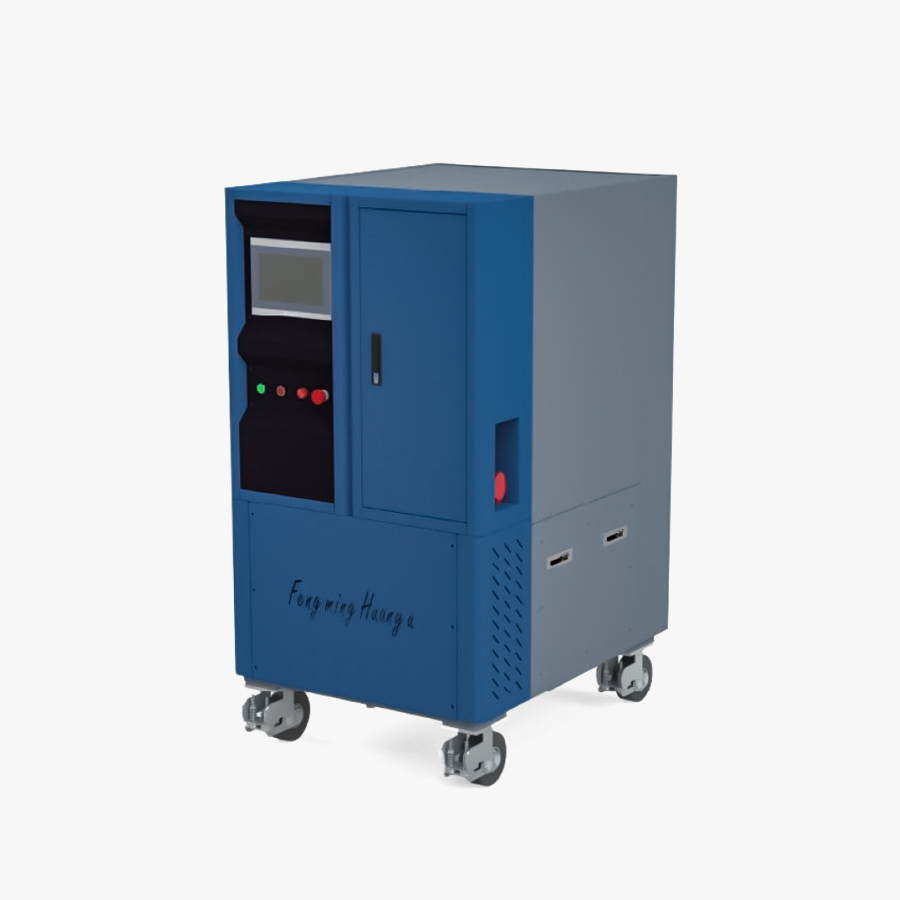
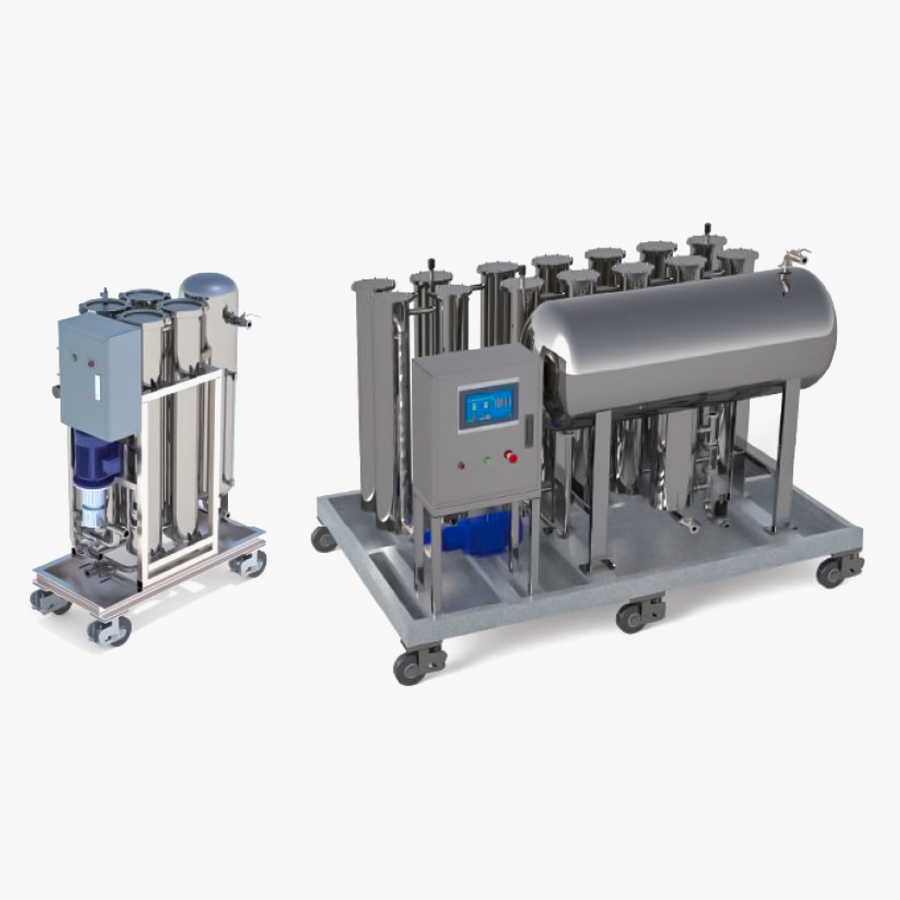
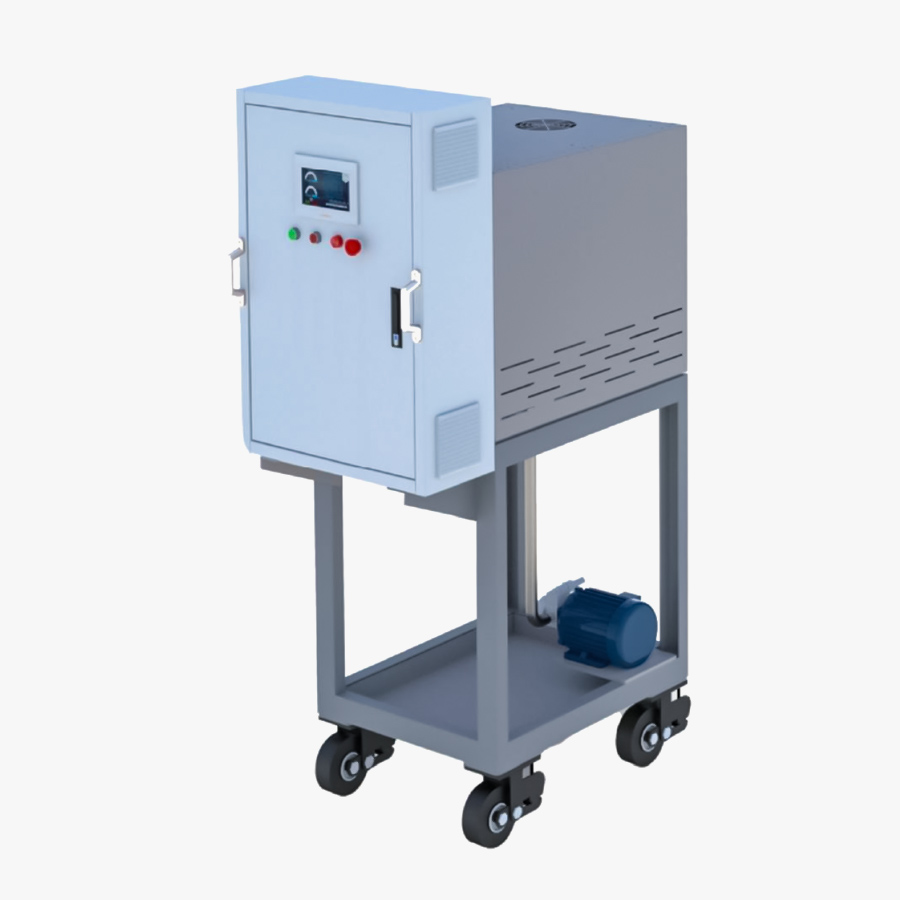
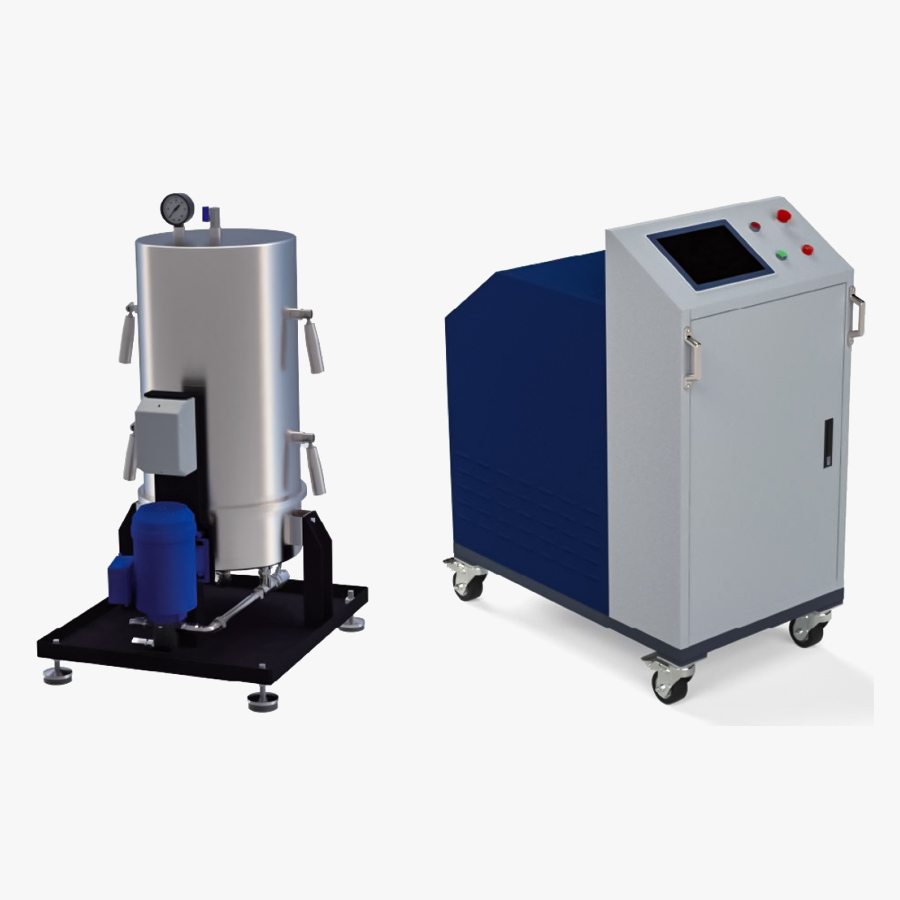
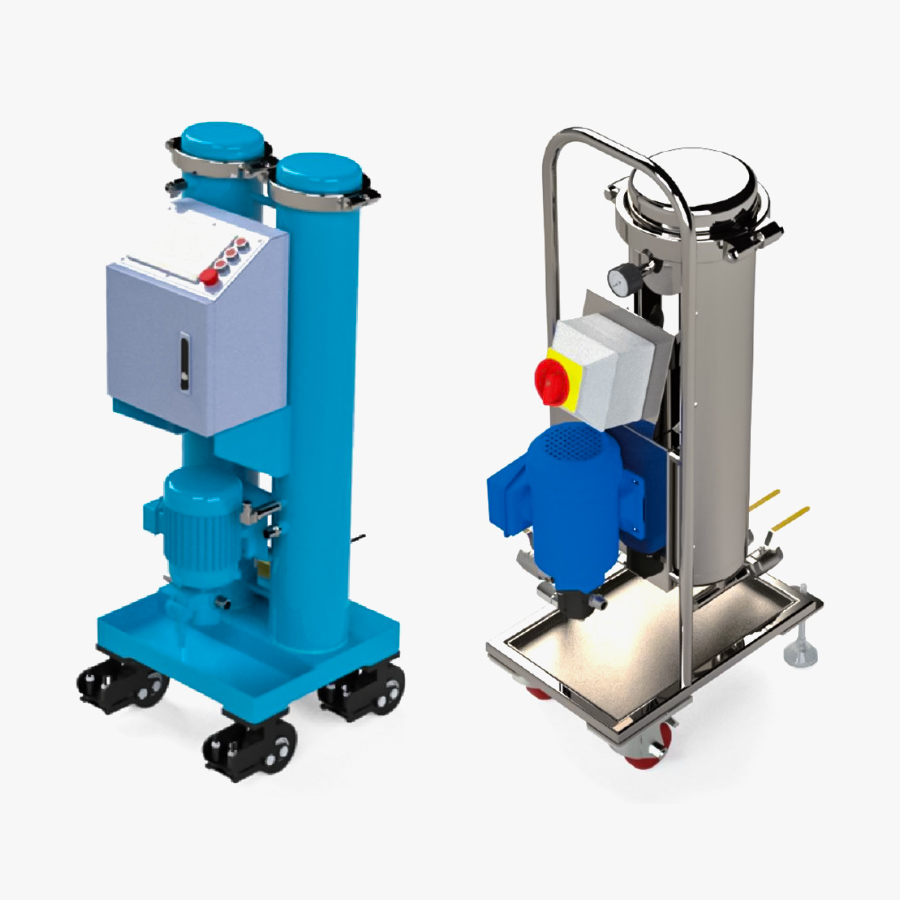
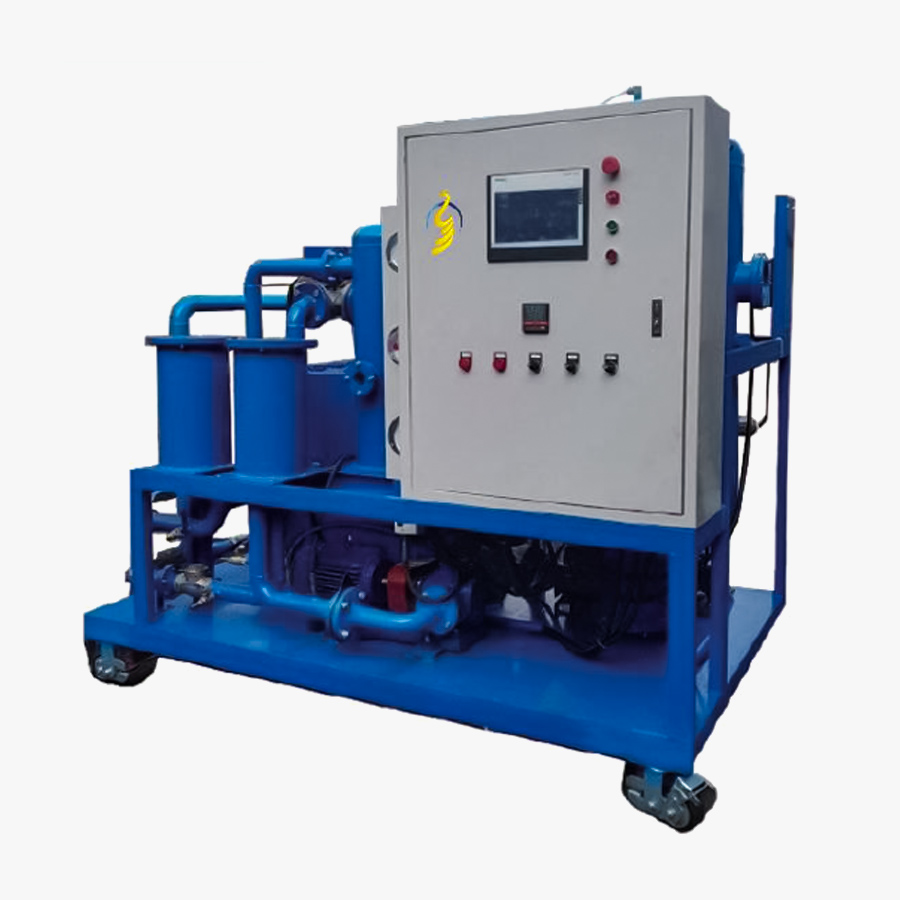
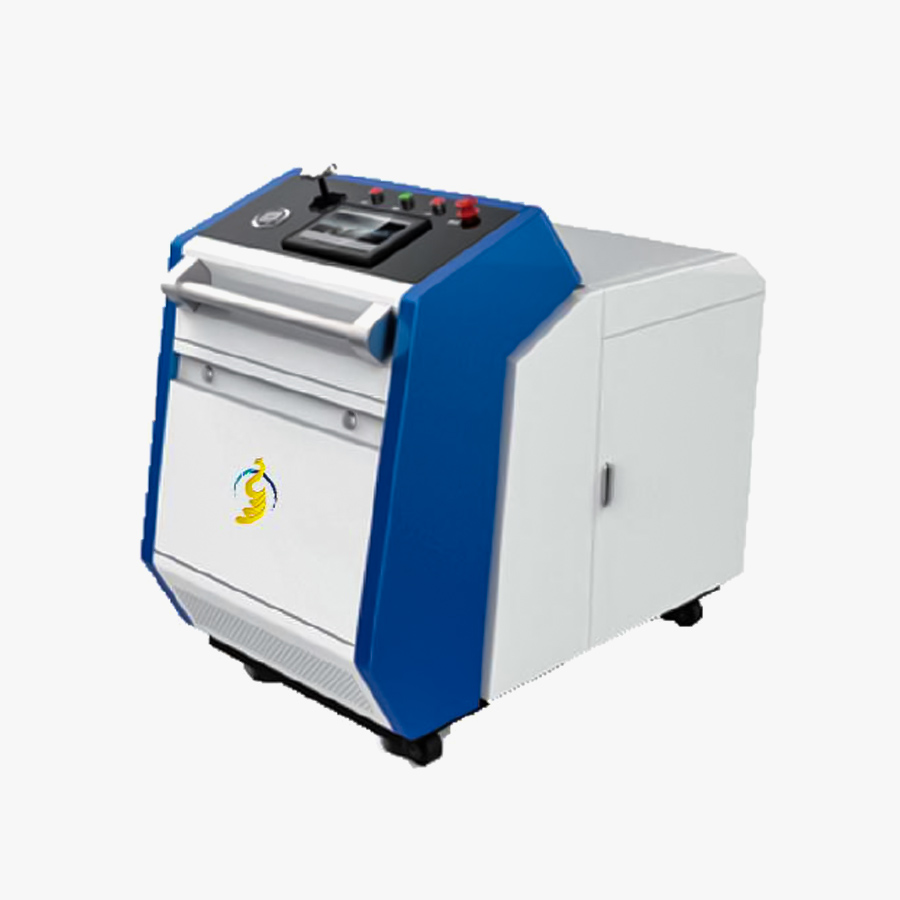
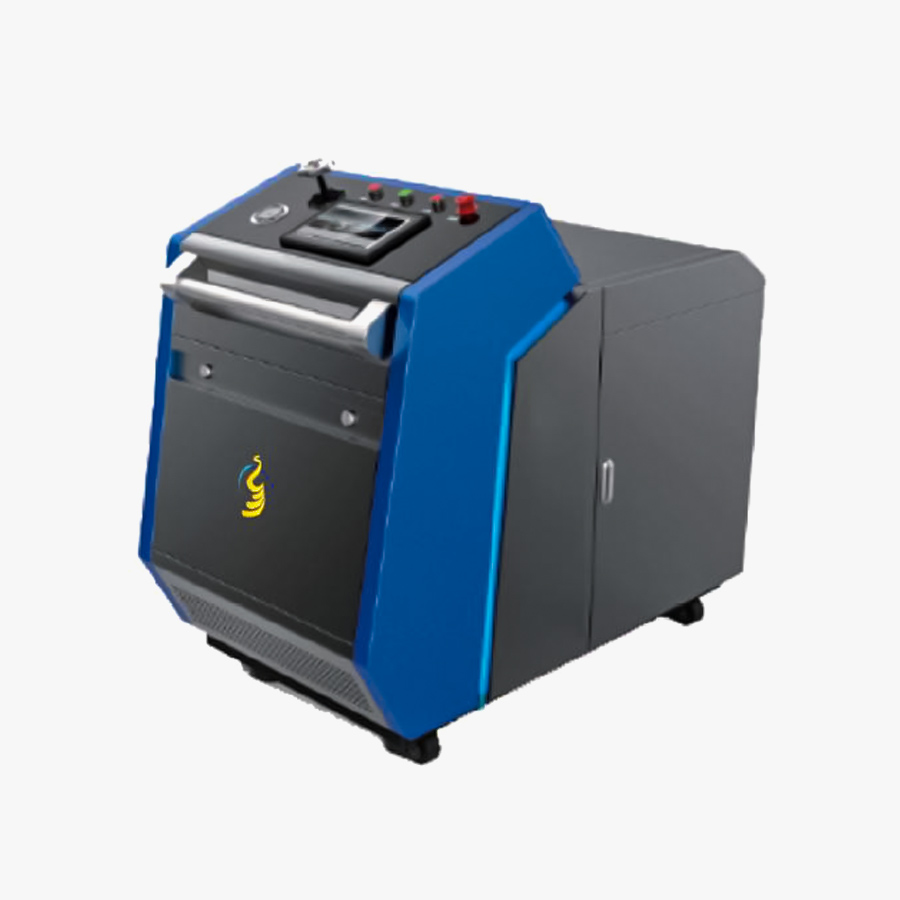
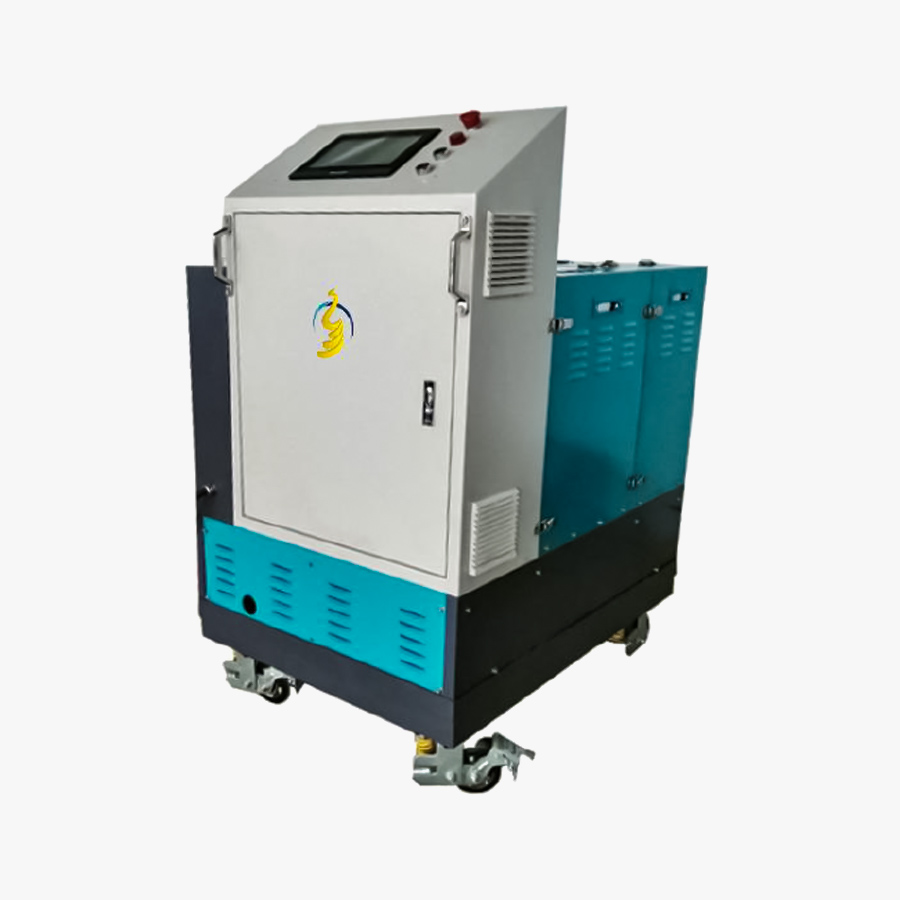
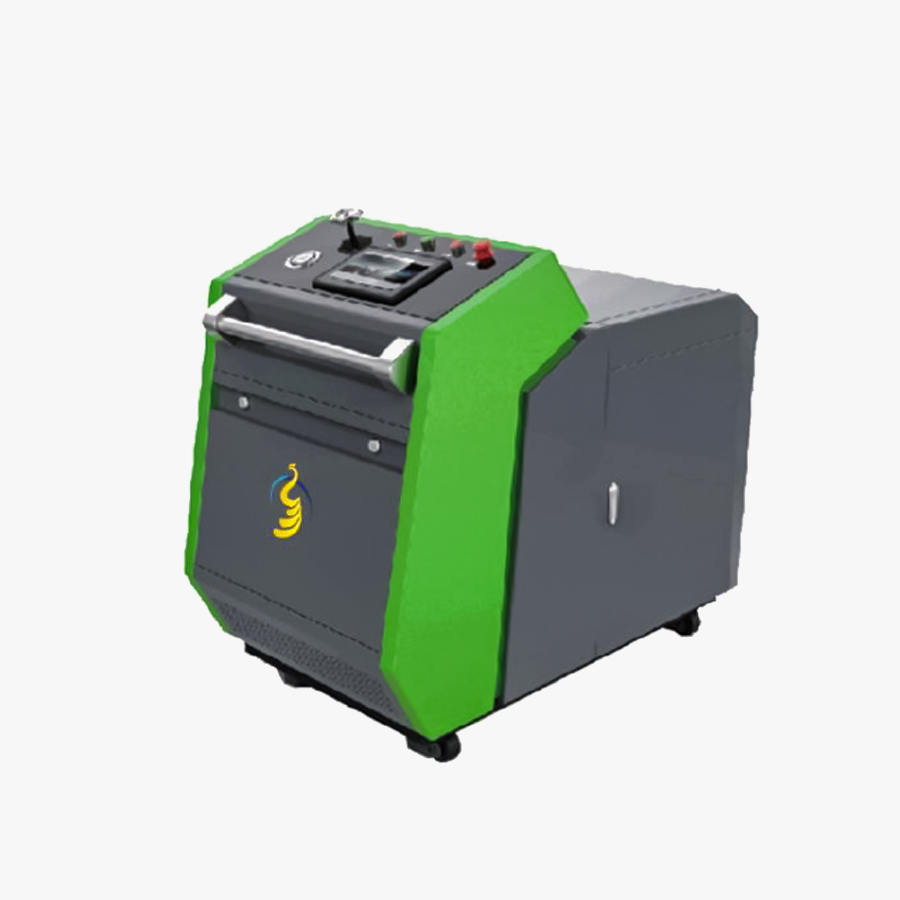
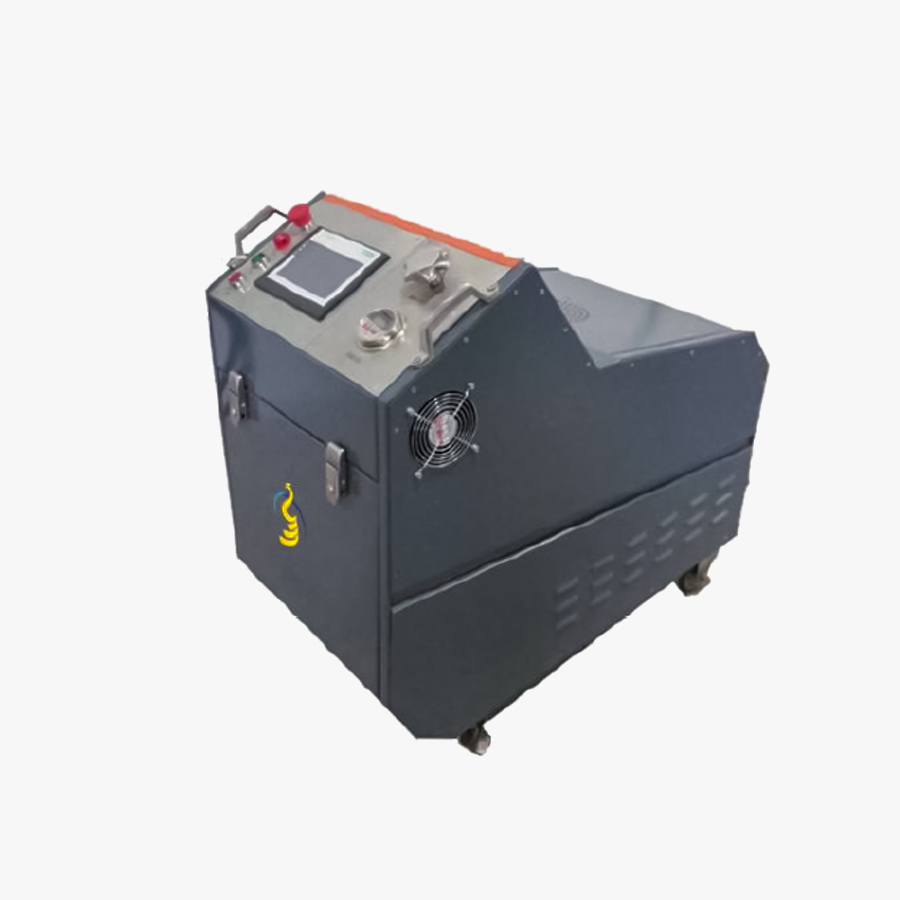
Vacuum oil filter series Series 1 Vacuum oil filter series Three machines: the ordinary vacuum filter, the high-efficiency vacuum purifier and the vacuum nano-screening integrated unit. Positioned for purifying substandard hydraulic oil, turbine oil and lubricating oil, and for rapid dehydration of ultra-high-viscosity oil. Anti fuel ultra clean purification device Series 2 Anti fuel ultra clean purification device For fire-resistant fluid. Removes water and particulate from the oil and removes acidic substances from the fluid, which prevents corrosion of the anti-fuel system and keeps the equipment running safely. Aggregation dehydration unit Series 3 Aggregation dehydration unit For aviation kerosene, diesel and other light fuels, low-viscosity lubricating oil, hydraulic oil and turbine oil. Removes particulate, contaminants and water. The main purifying equipment for oil depots, oil stations, fuel users and fuel producers. Automatic slag removal machine Series 4 Automatic slag removal machine Uses the vertical centrifugal filtration principle with a scraper discharge, so filtration runs without consumables and the sludge that comes out is drier. Stacked filter element fine filter Series 5 Stacked filter element fine filter Keeps the oil in a system clean and dry, removing particulate and water. Lubricating oil ultra clean mobile purification device Series 6 Lubricating oil ultra clean mobile purification device Combines ultra-fine filtration with online oil monitoring in one trolley-mounted unit. Centrifugal oil purifier Series 7 Centrifugal oil purifier The deepest series: eight models, split into a regular line and a professional custom line. Covers economy, heavy-duty, high-efficiency, explosion-proof, flame-resistant and vacuum-centrifugal combined variants.
The centrifugal series

The centrifugal series

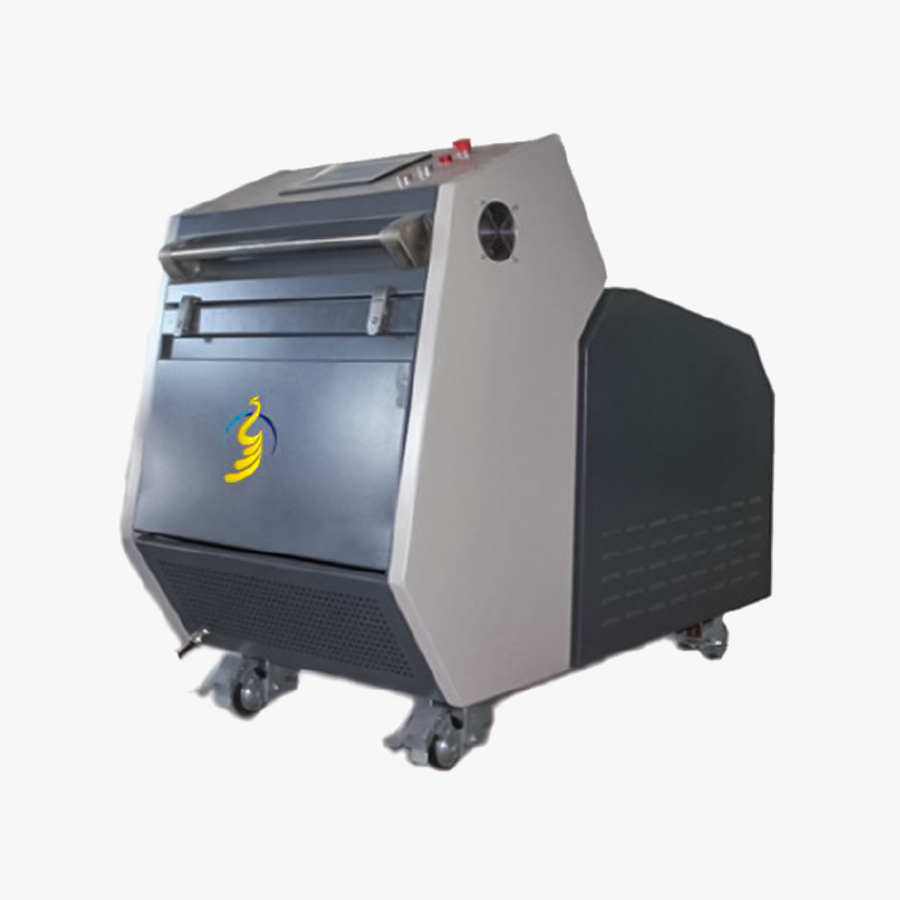
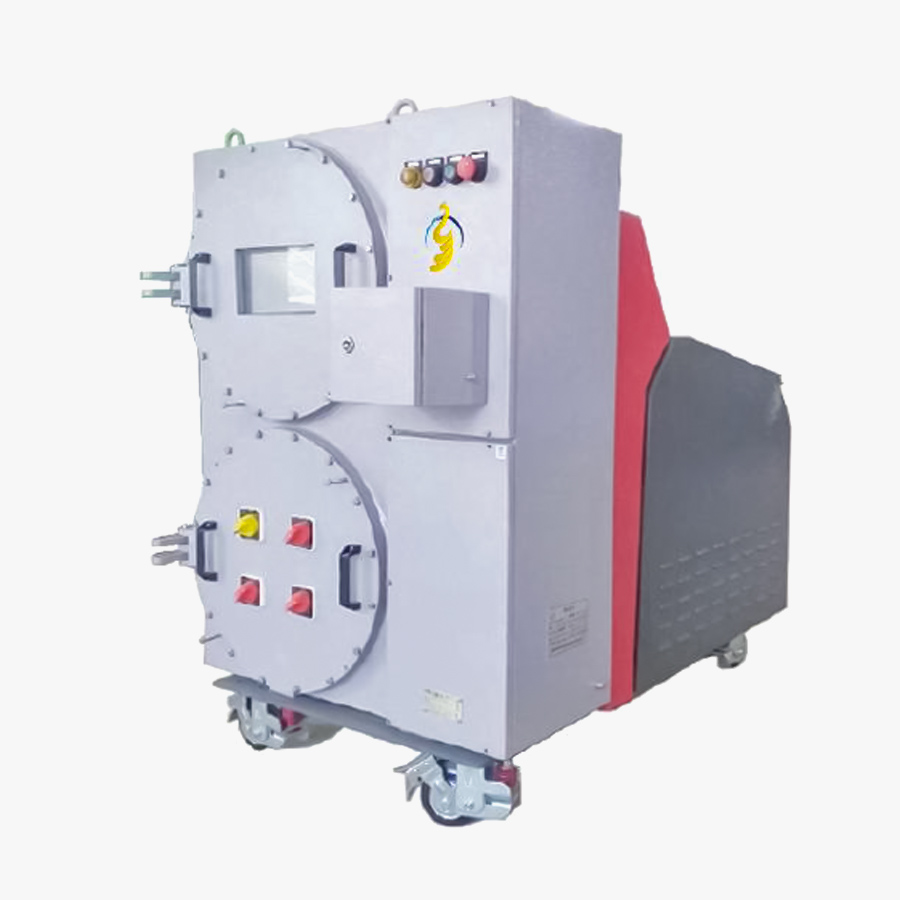
The centrifugal series is where selection actually happens. It splits into a regular line and a professional custom line, and the eight models inside it cover six positions: economy, heavy duty, high efficiency, explosion proof, flame resistant, and a vacuum-centrifugal combined machine. Model codes FM-60DP-B, FM-100/150DP-B, FM-100/150DP-C, FM-100/1 and FM-60/10 are ours.

Viscosity is the criterion that maps directly onto model codes: 220 cSt industrial gear oil and oil-film bearing oil go to the FM-100/150DP-B; the same oils above 320# go to the FM-100/150DP-C; the economy FM-60DP-B is sized for an oil station of 5 m³. Throughput, filtration rating, power and dimensions are set per application and issued with the proposal.

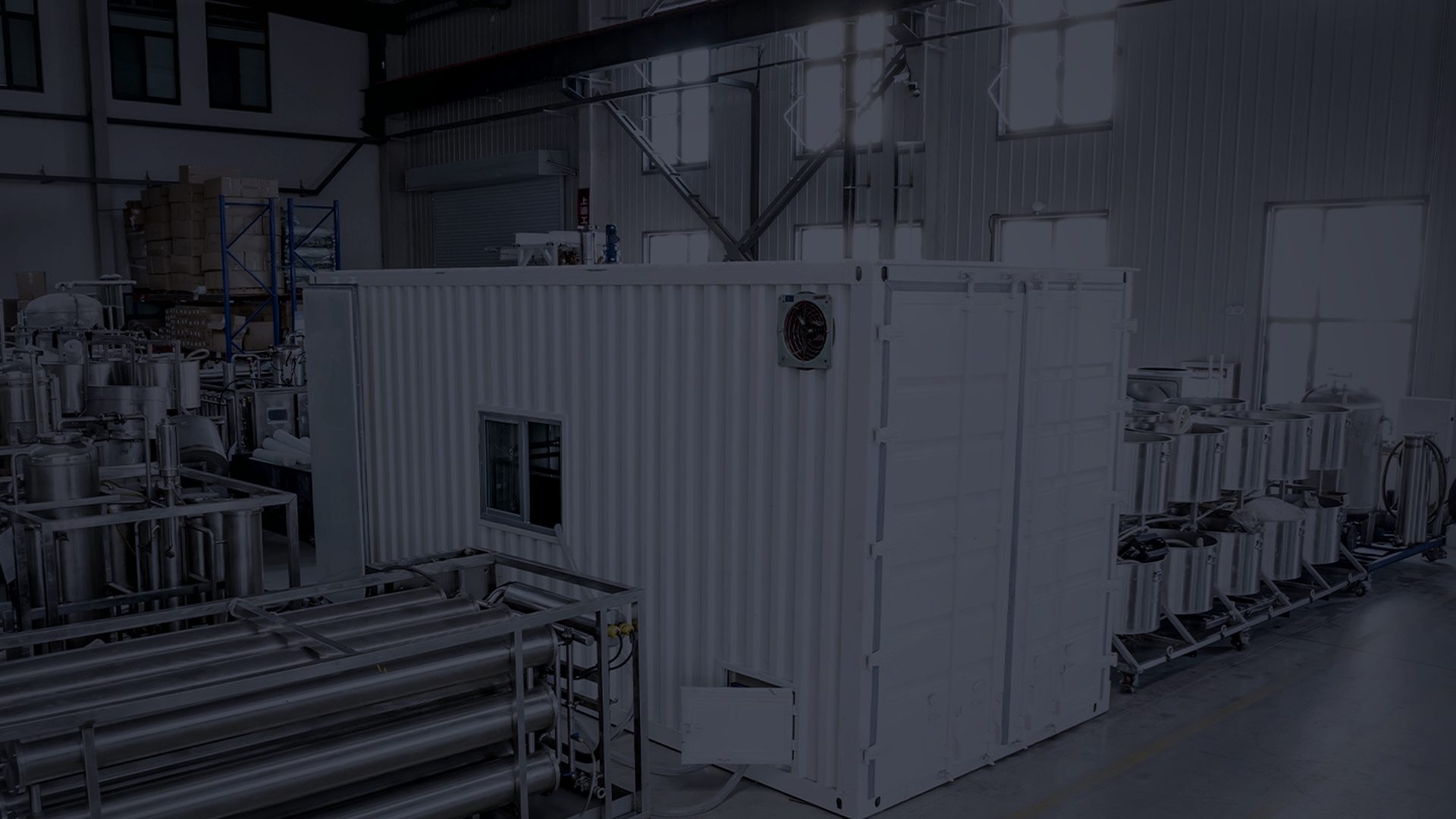
The four purification routes

Centrifugal, membrane, vacuum and electrostatic: four routes, four different jobs. What follows is what each one is for and where it sits in the process chain.

Vacuum route Purifies substandard hydraulic oil, turbine oil and lubricating oil, and dehydrates ultra-high-viscosity oil rapidly. Three machines in the series. Vacuum level, heating temperature and throughput are set per application.
Membrane route The core technology: multi-purpose nano-screening purification membrane, reviewed and appraised by a provincial technical institute. Product grades include 100 nm and 50 nm; purification precision reaches nanometre scale. The route was first applied to industrial oil purification domestically.
Centrifugal route Two distinct roles. In the automatic slag removal machine it is a filtration principle — vertical centrifugal filtration plus scraper discharge, running without consumables and discharging drier sludge. As the centrifugal purifier series it is a product line of eight models on its own, split into regular and professional custom lines.
Electrostatic route Named in our line-coverage statement: the product range spans centrifugal, membrane, vacuum and electrostatic technology. Electrostatic units are quoted per project rather than listed as a catalogue machine.
The process chain Bulk separation first so the expensive fine stages stay clean, then fine filtration to the target the machine was specified for. The process characteristics stated for the range are physical filtration, low-pressure drive, no secondary pollution and green energy saving.

Before you name a machine

What decides the route, before a model number is quoted.

  1. 01 What is the oil Hydraulic, turbine, lubricating, fire-resistant fluid, light fuel, gear oil, oil-film bearing oil — the series are drawn along oil type, so naming the oil correctly is what stops the wrong route being chosen.
  2. 02 Which failure is it Water coming in and emulsifying, particulate wear, colour and contamination picked up from previous service, or settled sludge. The route follows the symptom.
  3. 03 Online or offline Online or offline, with custom configurations supported. A turbine oil system that cannot be shut down and a drum-cleaning job at a bench are solved on different equipment.
  4. 04 What is the target A cleanliness class, a water figure, or both. Across our case records the readings that actually came back were NAS7, NAS6 and NAS3. Fix the target first; the machine follows from it.
  5. 05 What does the site demand The model designations carry an explosion-proof line and a flame-resistant line as separate decisions. There is no single criterion that chooses between them — that call is made against the actual installation.
Physical filtration Low-pressure drive No secondary pollution Green energy saving High precision High efficiency Low consumable use Low energy use Online or offline Built to order

The questions engineers ask before they specify

What buyers ask before a proposal is written.

Where are the throughput, filter rating and power figures?
They are set per application. Flow rate, filtration rating and power follow from the oil, the contamination load and the target reading, and are issued with the proposal for your duty point.
Three machines in the vacuum series. How do they differ?
By throughput and by how much dehydration the duty needs: the standard filter, the high-efficiency purifier and the nano-screening integrated unit step up in flow and in water-removal capability. Which one fits is settled against the measured readings from your system, not against a brochure.
Why are there two models called flame-resistant FM-60/10?
Two fluid chemistries — fatty-acid ester and water-glycol — are served under that designation, each with its own build and photograph. Tell us the fluid and the correct one is quoted.
How should membrane precision be stated?
Product grades include 100nm and 50nm among others, purification precision reaches nanometre scale, and the highest cleanliness the line reaches is NAS 2. Those describe the capability of the product line, not a guaranteed reading on a given drum of oil. Measured results in our cases came back at NAS7, NAS6 and NAS3.
Sold, rented, or run as a partnership?
All three: rental and sale, on-site service, and regional agency. Which one makes sense depends on how many machines you actually run and how far your service radius reaches.
Online, or does the system have to come down?
Both are built. The mobile lubricating oil purifier carries online oil monitoring in a trolley-mounted unit; the vacuum and centrifugal series run on a live system or off-line. Tell us which, because it changes the configuration.
30+ Products in the range
NAS 2 Highest cleanliness class
15 Individual machines
8 Centrifugal models
40+ Granted patents
20+ Industries served

Send the oil, not just the machine

Oil type, kinematic viscosity, how much water has been getting in, what the instrument reads now, and what the target is. With those, the proposal names a route and a model. Without them it can only be a generic quote.

No list price is published. Equipment is configured per application.

What the instruments read afterwards

All cases

Service records from steel, power, petrochemical and machinery plants. Cleanliness readings across them came back at NAS7, NAS6 and NAS3; water figures at 800ppm and 39ppm.

Rental, sale, or on-site service

We work on rental, outright sale, on-site service and agency partnership, with service centres in several regions of China. A plant running several oil systems can be specified around one supplier and one service contract.

Agents and distributors are welcome. Enquiries from across the country are answered by the regional service centres.