
Products
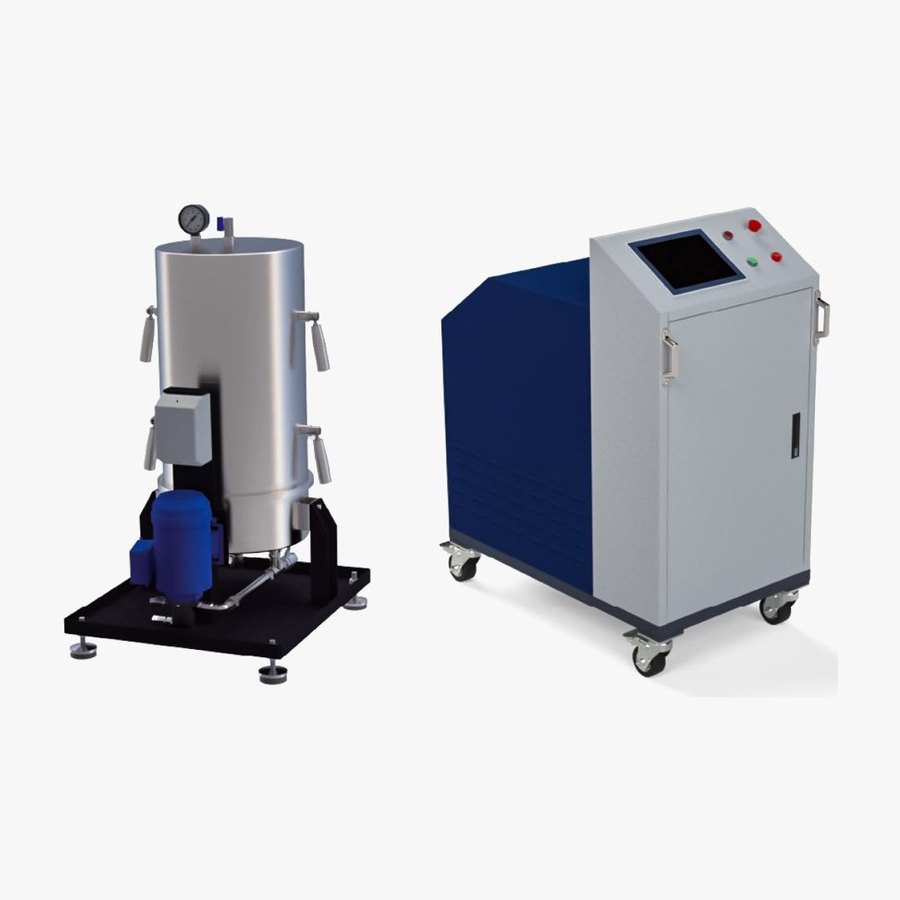
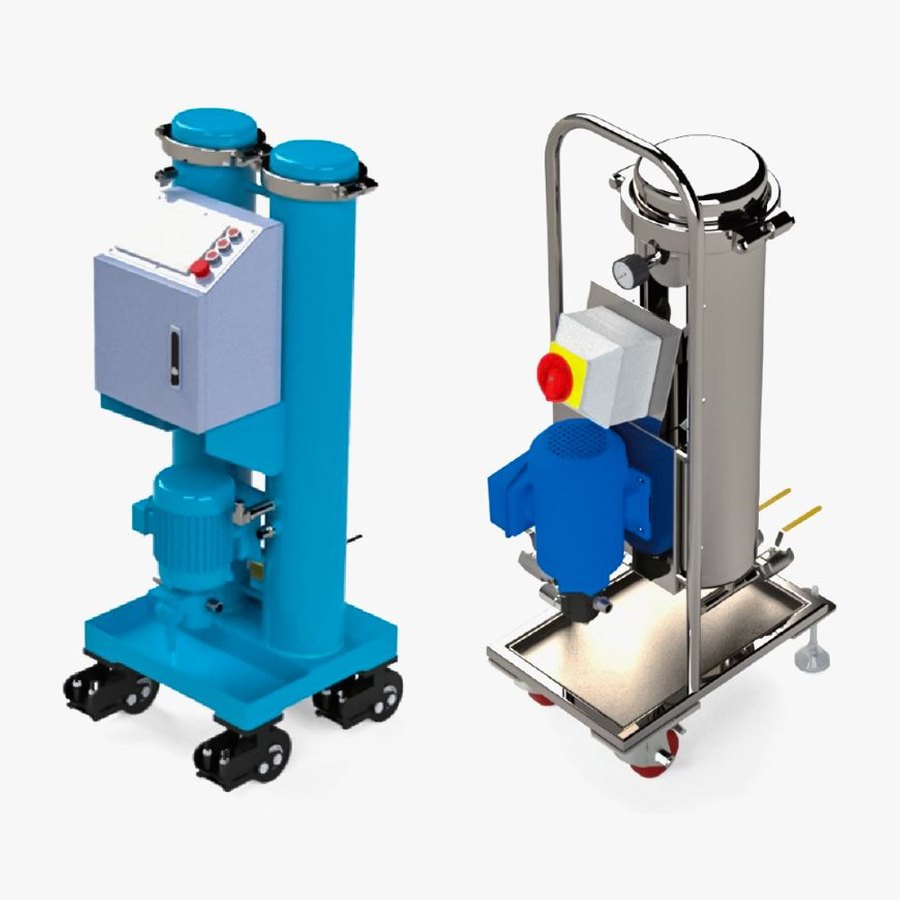
Vacuum Nano-Screening Integrated Machine (VOP-N Series)
Nano-precision membrane filtration combined with vacuum dehydration
Nano-screening membrane combined with vacuum dehydration, reaching NAS 2. The flagship model in the range.
- NAS 2 — roughly two orders of magnitude cleaner than NAS 6
- Removes what depth filtration cannot resolve: sub-micron particulate and varnish precursors
- Vacuum and membrane on one frame, so the oil reaches the membrane already dry
- Emailgary@fengmingep.com
- Phone+86-17306307795
Technical specifications
| Cleanliness achieved | NAS 2 |
|---|---|
| Separation principle | Vacuum dehydration plus nano-screening membrane |
| Filter and separation media | Nano-screening membrane, with fine filtration downstream of the vacuum chamber |
| What it removes | Sub-micron particulate, varnish precursors, resinous deposits and colloidal wear debris |
| Oil types handled | Hydraulic, turbine and lubricating oils for servo valves, EHC systems and precision spindles |
What it removes
This is the machine that gets oil to NAS 2. Beyond water and gas, it removes the sub-micron particulate and the soft contaminants -- varnish precursors, resinous deposits, colloidal wear debris -- that conventional depth media passes through. NAS 2 is roughly two orders of magnitude cleaner than the NAS 6 that a standard vacuum purifier delivers, and it is the cleanliness band that servo valves, EHC governing systems and precision spindles actually require.
How it works
Vacuum dehydration removes the water and gas; a nano-screening membrane then removes the particulate the vacuum stage cannot. The membrane is the part that makes NAS 2 reachable: mechanical depth filtration runs out of resolution in the sub-micron range, while the membrane separates on a different principle and keeps its efficiency as the loading rises. Integrating the two in one frame matters because oil that has just been dehydrated is the right oil to put through a membrane -- it carries no free water to blind the surface.
Where it is used
Wherever a varnish or a sticking valve has already caused a trip. A captive power station whose phosphate-ester fluid was laying down varnish is the reference case. A crankshaft manufacturer whose hydraulic station sat far above its contamination limit and an appliance plant changing out vacuum pump oil repeatedly are the other two patterns: the oil was not worn out, it was dirty below the resolution of the filters in place.
Options and service
Skid-mounted with the membrane module accessible for change-out. On-line particle counting on the outlet so the result is measured, not assumed. Membrane life is application-dependent, so element consumption is quoted against the customer's target cleanliness rather than as a flat number.
Common questions
What makes NAS 2 possible?
The nano-screening membrane. Mechanical depth filtration runs out of resolution below a micron; the membrane separates on a different principle and keeps its efficiency as loading rises.
Why put vacuum and membrane on the same frame?
Because oil that has just been dehydrated carries no free water, and free water is what blinds a membrane surface.
Which systems actually need NAS 2?
Servo valves, EHC governing systems and precision spindles — components whose clearances are smaller than the particles a NAS 6 machine leaves behind.
Tell us about your application
Oil type, viscosity, flow rate, target cleanliness, water content, on-site power and space constraints. The more specific you are, the sharper the proposal.
Hours: Monday - Friday: 09:00 - 18:00 (UTC+8) Saturday & Sunday: Closed Public holidays: Closed
Related products
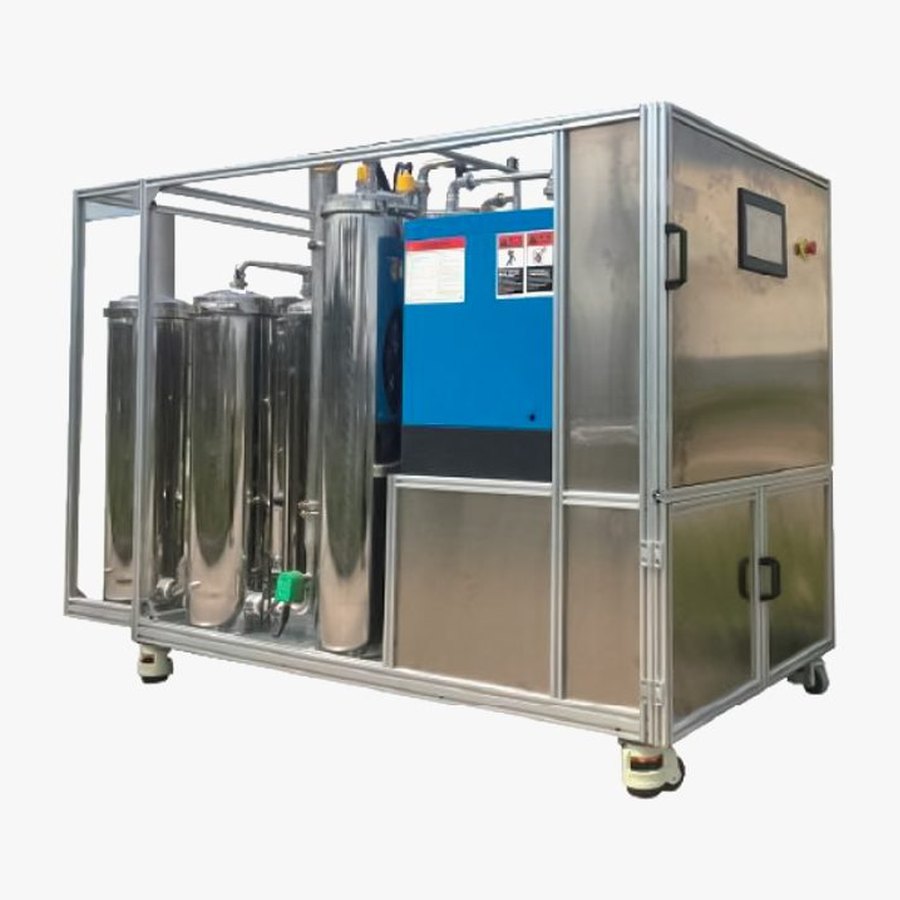 Standard Vacuum Oil Purifier (VOP Series)
Removes particulate, water and dissolved gas. NAS 6, water down to 50 ppm.
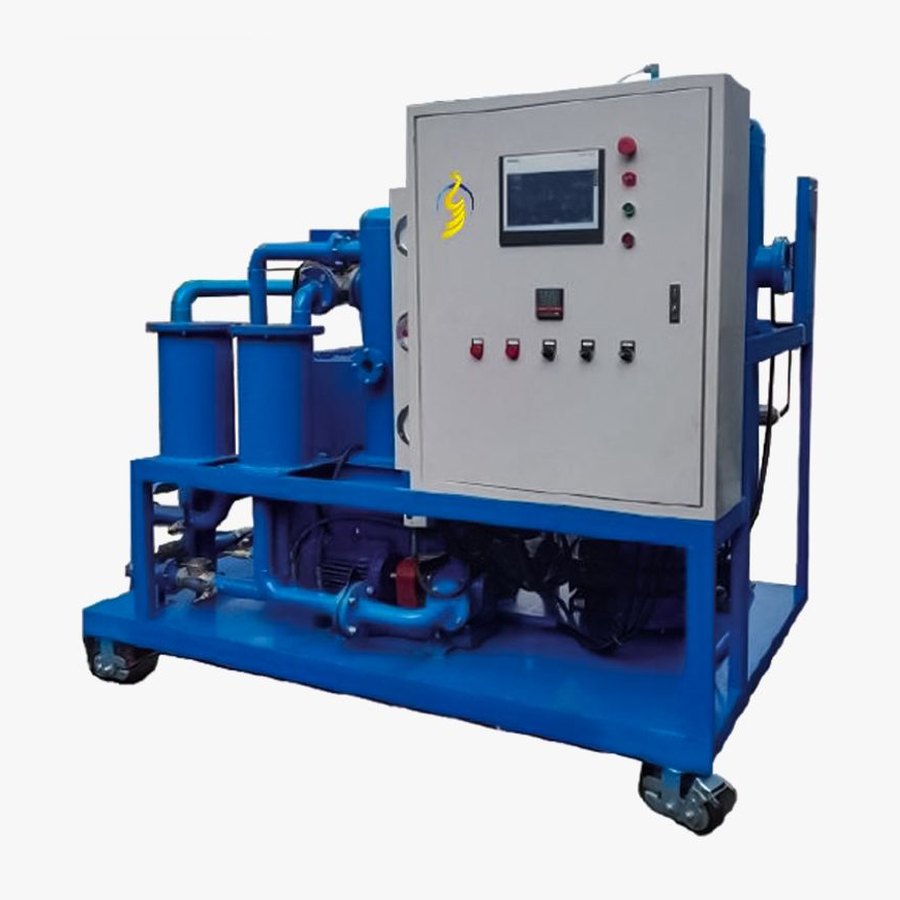 EHC Fire-Resistant Oil Ultra-Clean Purification Unit
For phosphate-ester EHC fluid in turbine governing systems.
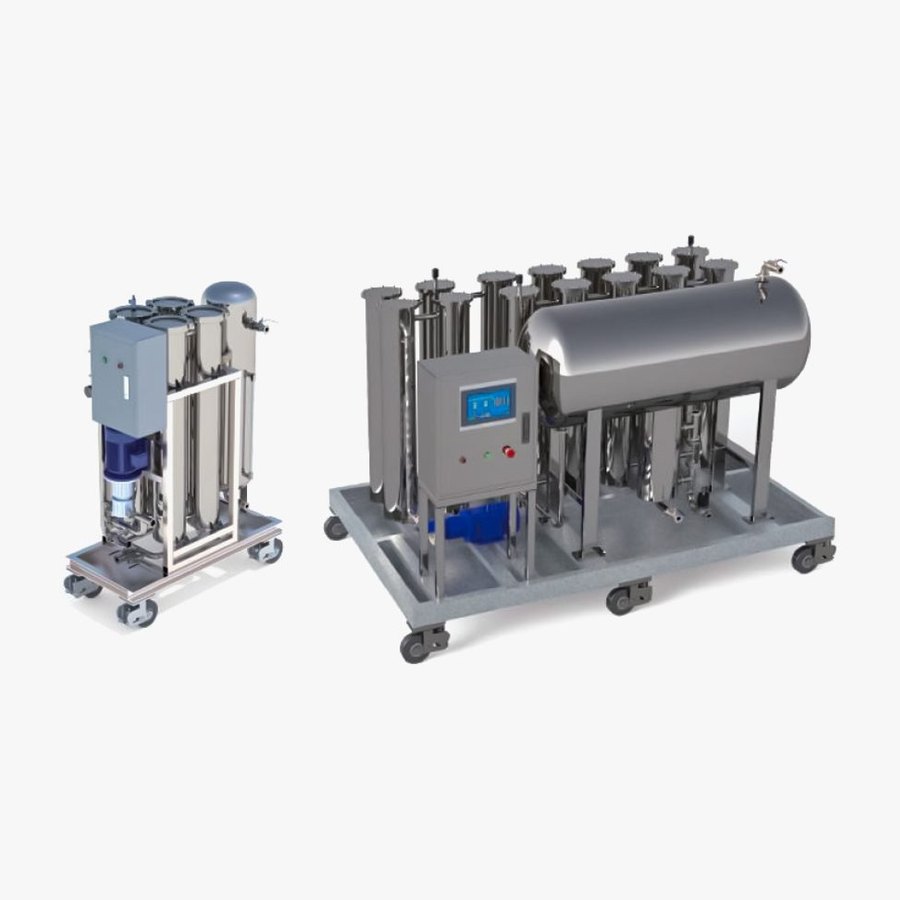 Polymer Dehydration Unit
Light fuels and low-viscosity oils, water below 30 ppm.
 Automatic Centrifugal Slag Remover
Self-cleaning centrifugal separation. No filter media to replace.
