
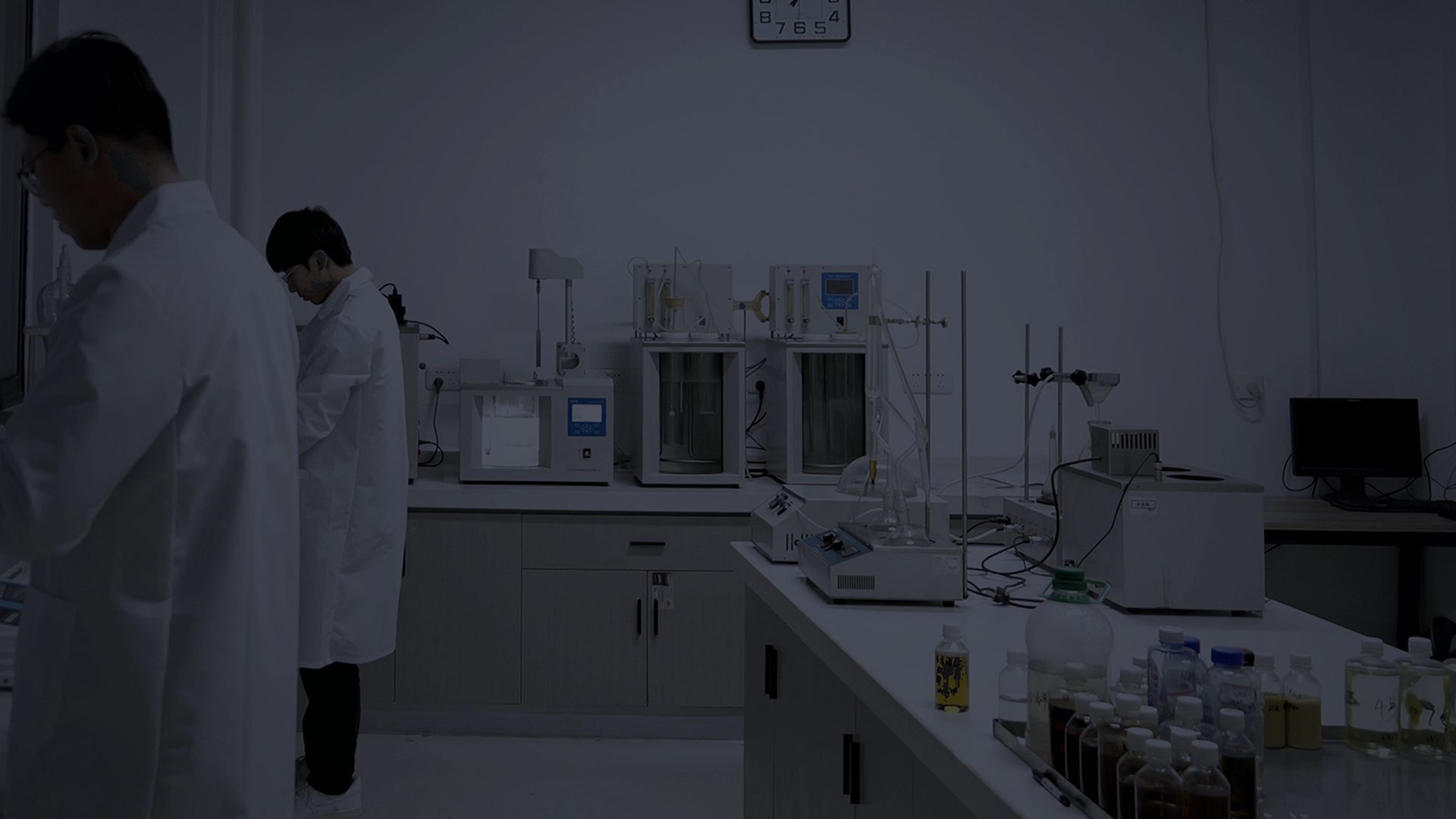
A joint research and testing base was established with a university bionics institute, signed and unveiled in November.
Who leads it
The two sides are led respectively by an academician of the Chinese Academy of Sciences and a member of a foreign academy of sciences. That pairing is the point: the institute's work sits at the intersection of biological structures and engineered materials, and membrane design is one of the places where that intersection is commercially useful — the geometry of a natural filter is, in several respects, better than what has been manufactured.
What the base will work on
Two application targets were named at the signing. The first is ultra-clean purification of white oil used in lithium battery production, where contamination limits tighten as cell chemistry moves; the second is large-scale purification of oilfield reinjection water, where volumes are measured in thousands of cubic metres a day and membrane fouling decides the economics.
Alongside those, the agreement covers talent development, joint R&D, shared equipment and standard-setting — the four things that make a research relationship survive past its first project.
Why it matters commercially
A joint base is not a press release. It puts a shared bench, shared instruments and a shared standard-writing process between two organisations, which is what allows a lab result to be specified into a machine that a plant will actually buy. For a company whose product advantage rests on membrane materials, that is the shortest path between a material discovery and a service interval a customer can plan around.
The institute's own laboratories and exhibition hall were toured as part of the signing, with the visiting academician singling out bionic approaches to environmental remediation and clean energy as the areas of most interest for further work — including marine cleaning, which is where the company's next membrane programme is aimed.
